Glory to Jesus Christ
Sunday, 11/03, 21st Sunday after Pentecost —The Holy Martyrs Acepsimasthe Bishop, Joseph the Priest and Aithalis the Deacon
9:00 a.m. +Orest Dubno requested Maria Sobko
10:30 a.m. For our parishioners
Panachyda for the deceased Ukrainian-American Veterans
Epistle: Galatians 2:16-20
Gospel: Luke 8:41–56, Tone 3
Monday, 11/04, Our Venerable Father Joannicius the Great
9:00 a.m. No intention for the Divine Liturgy
Tuesday, 11/05, The Holy Martyrs Galaction and Epistemis
9:00 a.m. No intention for the Divine Liturgy
Wednesday, 11/06, Our Holy Father Paul, Archbishop of Constantinople and Confessor
9:00 a.m. No intention for the Divine Liturgy
Thursday, 11/07, The Thirty-three Holy Martyrs of Militene
9:00 a.m. No intention for the Divine Liturgy
Friday, 11/08, Synaxis of the Archangel Michael and the Other Bodiless Powers of Heaven—Our parish’s feast day
9:00 a.m. Special Intention
7:00 a.m. For our parishioners
Saturday, 11/09, Synaxis of the Archangel Michael and the Other Bodiless Powers of Heaven
9:00 a.m. No intention for the Divine Liturgy
Sunday, 11/10, 22nd Sunday after Pentecost —The Holy Apostles Erastus, Olympus, Rodion and companions
9:00 a.m. For our parishioners
10:30 a.m. God’s blessing and health for Gloria and Donald Horbaty (50th wedding anniversary) requested by their children and family
Epistle: Galatians 6:11-18
Gospel: Luke 10:25-37, Tone 4
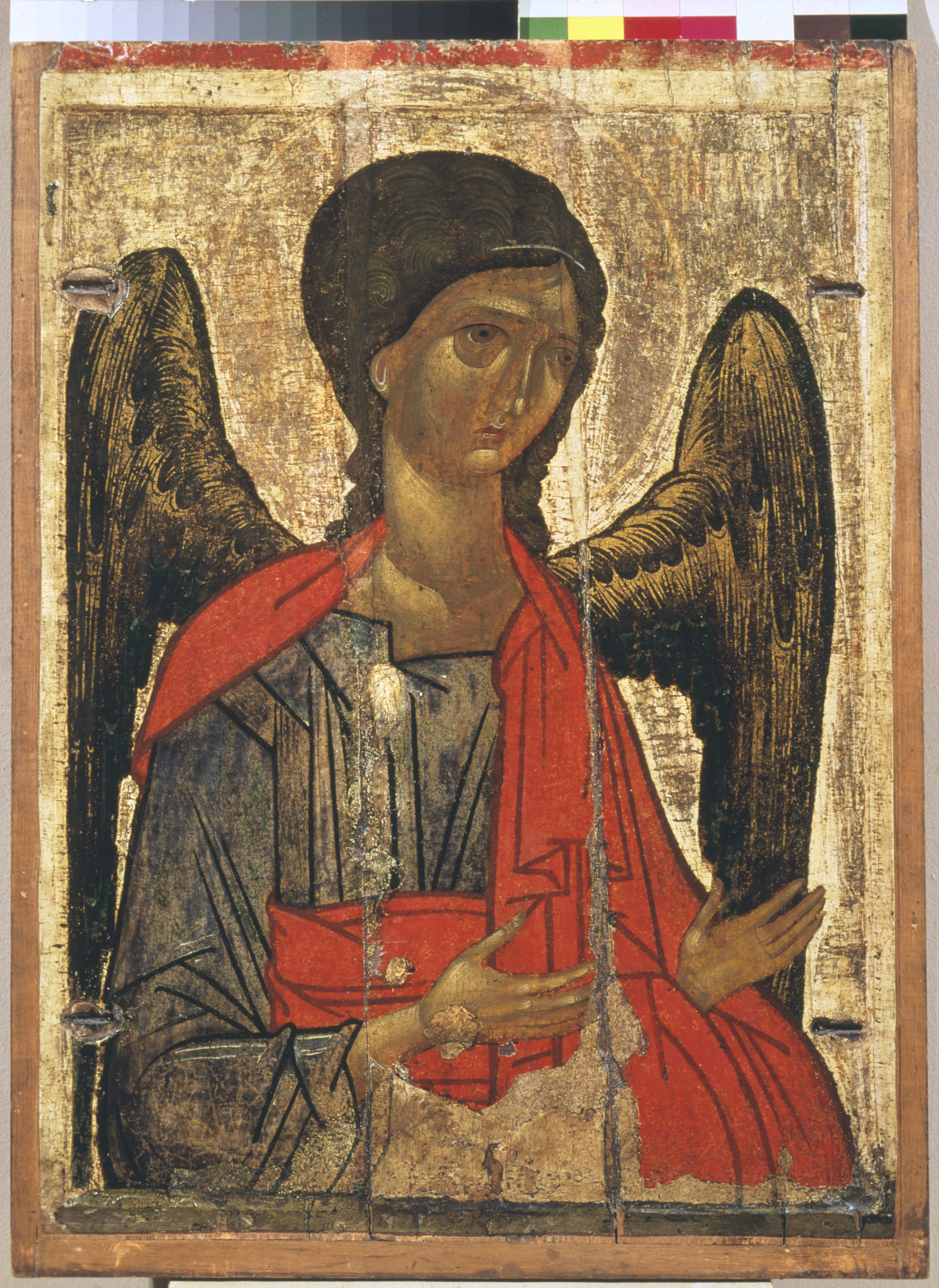
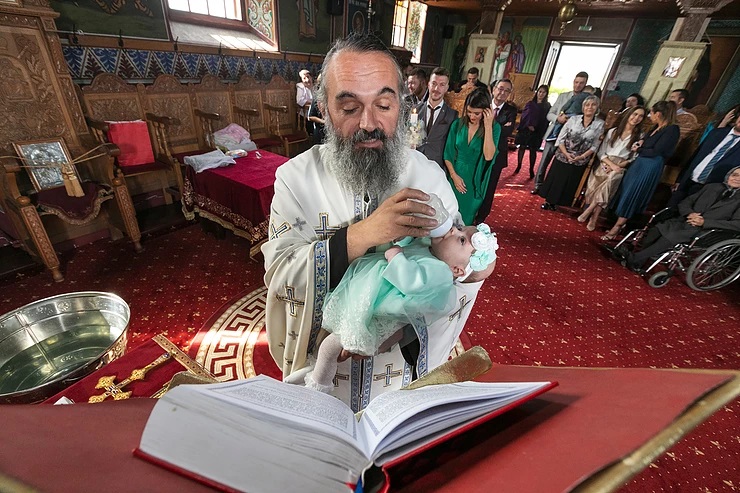 An Orthodox priest was captured by a professional photographer as he was feeding a baby girl while proclaiming the Gospel at the child’s baptism service at the Ascension of the Lord Church in Podu Olt, Brasov County, Romania.
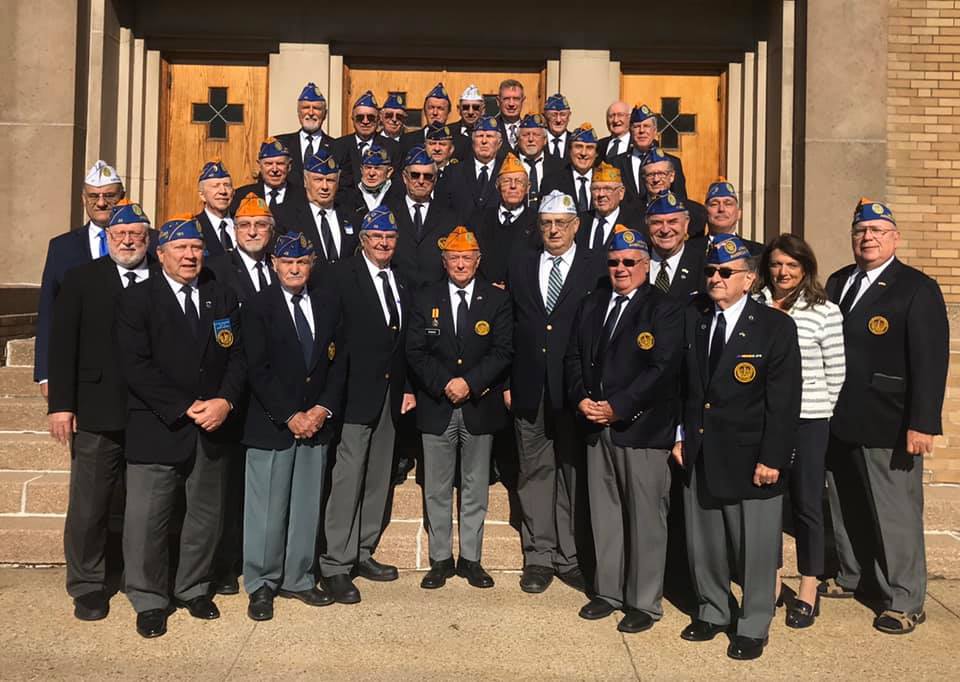 Ukrainian American Veterans attending their 72nd Annual Convention at St. Michael the Archangel Ukrainian Catholic Church, New Haven, Connecticut, 2019
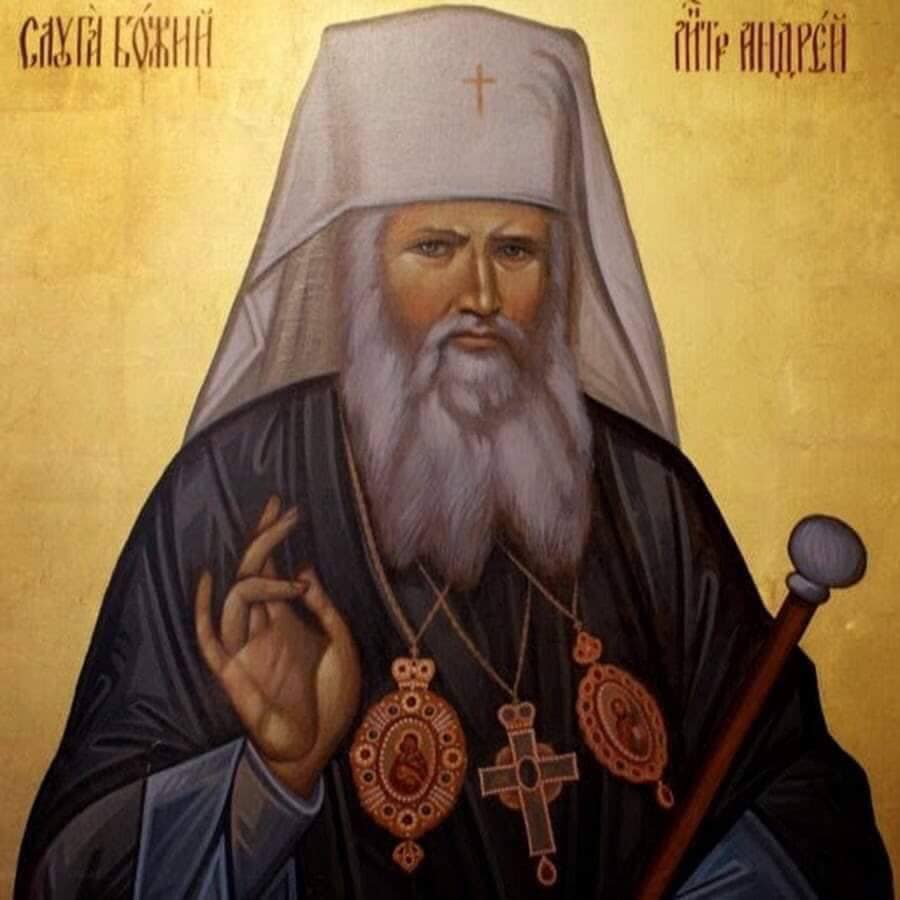 Today is the 75th anniversary of Metropolitan Andrey Sheptytsky (+Nov. 1, 1944).