Christ is in our midst!
PARISH COFFEE HOUR: Dear parishioners and guests, after each Divine Liturgy, coffee and hard rolls are available in the church hall.
VIGIL LIGHT: This week vigil light is offered for God’s greater glory by Chris Komondy for the all deceased of Komondy family.
PHILIP’S FAST, ПИЛИПІВКА: the pre-Christmas fast which began on November 15 – the day after the feast of St. Philip – is a 40 day period of spiritual preparation for the celebration of the Nativity/Theophany cycle of the church year. It was once a period of strict fasting which has now been changed to a period of voluntary fasting and works of penance and charity.
The annual St. Nicholas pageant will be held on Sunday, December 23 after the 2nd Divine Liturgy. All children are invited to meet with St. Nicholas on this joyous occasion.
From the Ukrainian Heritage Center(New Haven) 2018 Christmas Bazaar: The Ukrainian Heritage Center’s Christmas Bazaar will be held on Saturday, December 8, Sunday December 9, Saturday, December 15 and Sunday, December 16 in the Heritage Center Gift Shop from 9:00 a.m. until 1:00 p.m. This offers you an excellent opportunity to purchase, at very reasonable prices, the Ukrainian gifts and cards(for Christmas and other special occasions) that you would like to give to family members, friends, co-workers or teachers of your children. On Sundays only, please enter the Heritage Center through the front door of the building.
Update on parish property repairs: the parking lot between the Heritage Center and the church has been regraded for better drainage of water. The French curtain drain has been expanded an additional six feet and the roof drain in the back of the Heritage Center has been redirected into the expanded French curtain drain. This will help eliminate water in the Heritage Center basement. Finally, the parking lot has been painted with parking lines and no parking signs for everyone’s usage. This parking lot has four handicapped spaces assigned, one space customized for van access. Additional paving on the edge by the fence and new car stops are planned for the next summer.
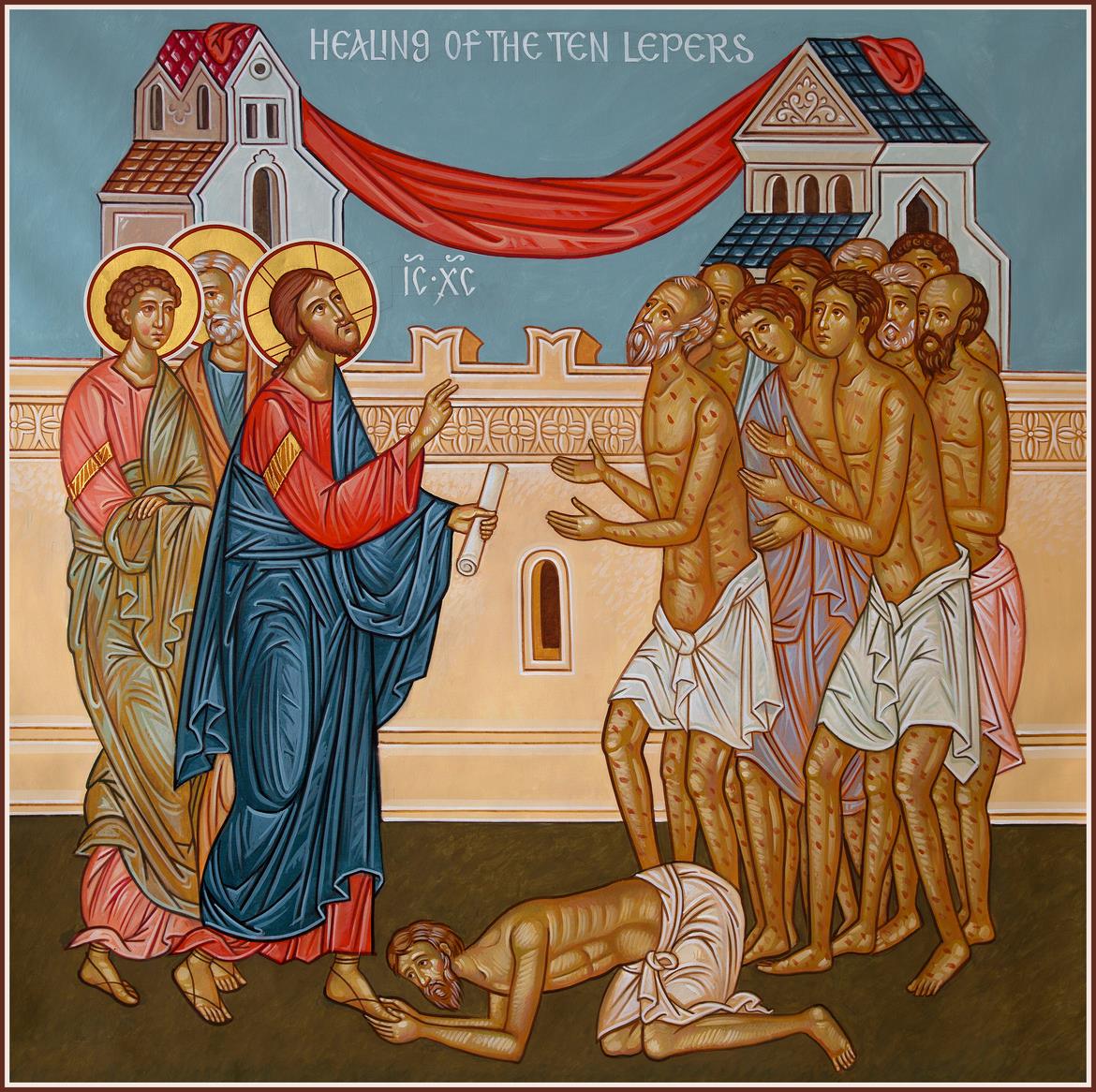 Read: Colossians 3:12-16; Luke 17:12-19
 The Ukrainian Heritage Center’s Christmas Bazaar will be held on Saturday December 8, Sunday December 9, Saturday December 15 and Sunday December 16 in the Heritage Center Gift Shop from 9:00 a.m. until 1:00 p.m. This offers you an excellent opportunity to purchase, at very reasonable prices, the Ukrainian gifts and cards (for Christmas and other special occasions) that you would like to give to family members, friends, co-workers or the teachers of your children.
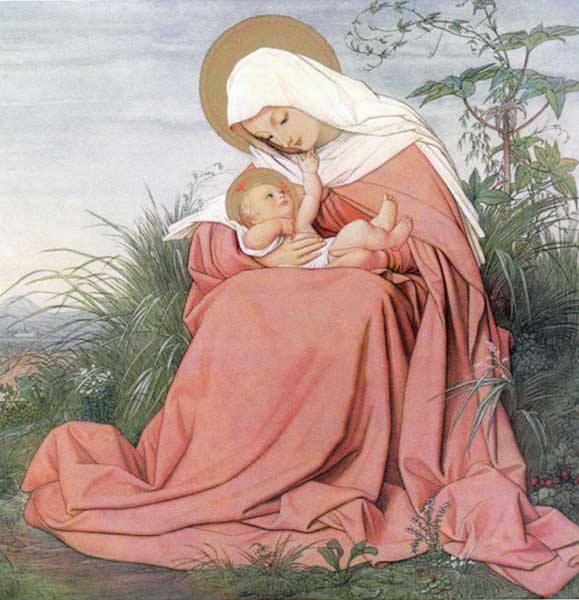
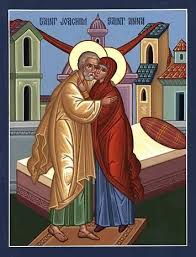 The conception of the all-holy virgin Mary in the womb of Anna is celebrated on December 9 in the Byzantine tradition, for a natural reason, that the Eastern ancients thought a girl was in the womb one day less than a boy. However, in the Ruthenian Church in America [and the Ukrainian Church], the feast is now celebrated together with the Roman Church on December 8, nine months before her birth on September 8, because she is the patron of the United States.
 On
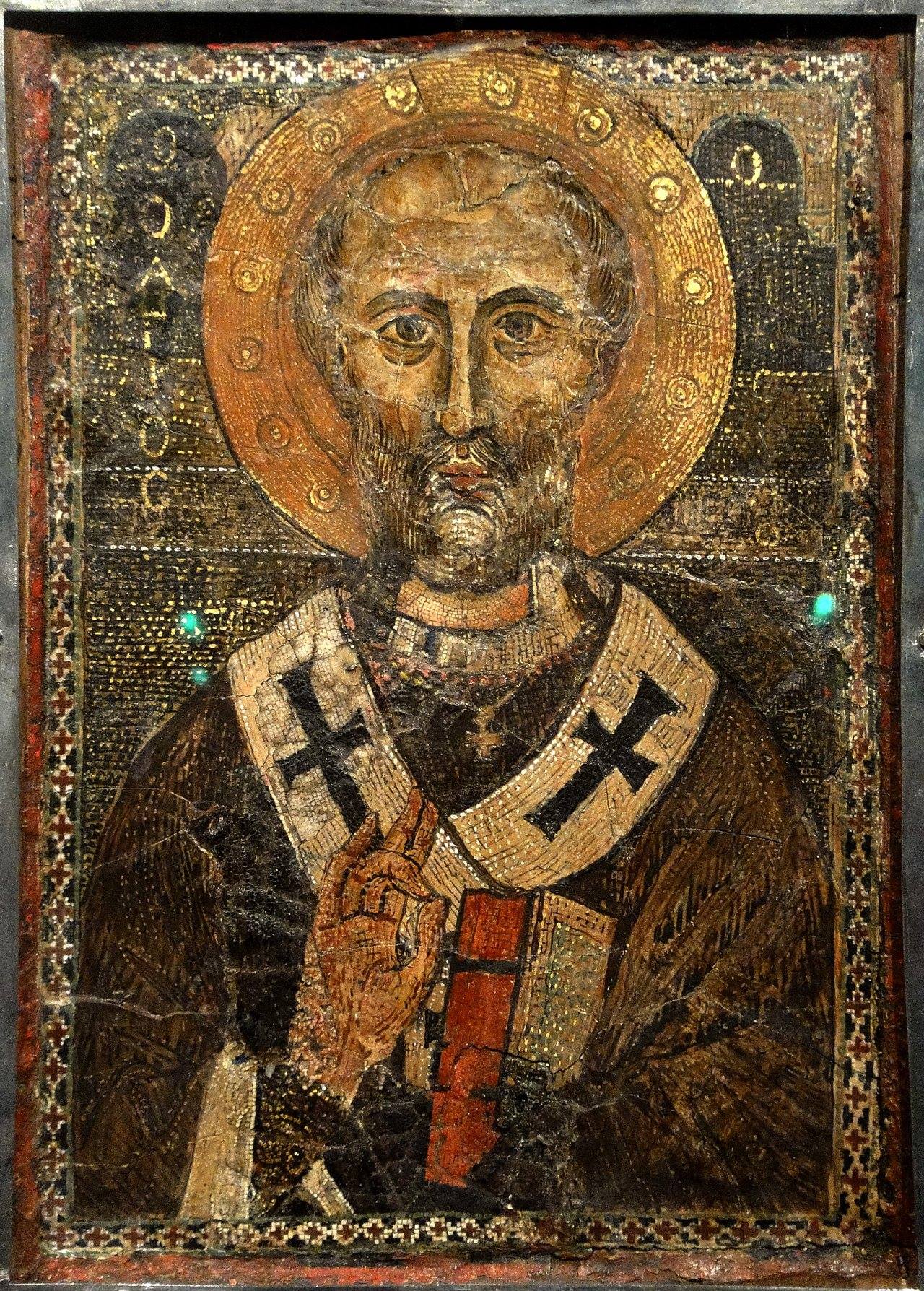
On 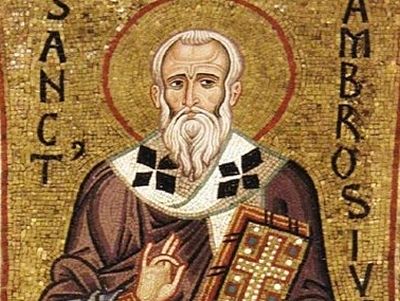 St. Ambrose was the greatest Archbishop of Milan, at a time when it was the center of the Empire. He was elected bishop when he was still a catechumen and proved to be most competent—in administration as well as theology, and was a holy and sincere Christian. He had been a governor before and knew how “to talk to power.” When the Emperor Theodosius had 7,000 Thessalonians slaughtered over the assassination of their governor, he excommunicated him for his horrendous crime – and made it stick, bringing Theodosius to repentance.