Glory to Jesus Christ!
Note: Candles are blessed before the Divine Liturgy (cf. Molytvoslov, p. 867). After the Liturgy: Anointing of the faithful and distribution of prosfora.
Note: There is no fasting this week.
Sun. 2/02/20 Sunday of the Publican and Pharisee —Meeting of Our Lord with Simeon
9:00 Special Intention
Blessing of Candles
10:30 a.m. For our parishioners
Liturgy: Epistle: 1 Timothy 3:10-15 and Gospel: Luke 18:10-14, Tone 1
Blessing: Hebrew 7:7-17 and Luke 2:22-40
Monday, 2/03, Post-feast of the Encounter. The Holy and Just Simeon, Who Received God, and the Prophetess Anna
9:00 a.m. No intention for the Divine Liturgy
Tuesday, 2/04, Post-feast of the Encounter. Our Venerable Isidore
9:00 a.m. No intention for the Divine Liturgy
Wednesday, 2/05, Post-feast of the Encounter. Holy Martyr Agatha
9:00 a.m. No intention for the Divine Liturgy
Thursday, 2/06, Post-feast of the Encounter. Holy Bishop Boucolus
9:00 a.m. No intention for the Divine Liturgy
Friday, 2/07, Post-feast of the Encounter. Holy Bishop Parthenius
9:00 a.m. No intention for the Divine Liturgy
Saturday, 2/08, Post-feast of the Encounter. Holy Great-Martyr Theodore
9:00 a.m. No intention for the Divine Liturgy
Sunday, 2/09, Sunday of the Prodigal Son —Leave-taking of the Encounter. The Holy Martyr Nicephorus.
9:00 a.m. Special Intention
10:30 a.m. For our parishioners
Epistle: 1 Corinthians 6:12-20
Gospel: Luke 15:11-32, Tone 2
#ByzantineCatholicNewHaven
#ByzantineCT
#ByzantineConnecticut
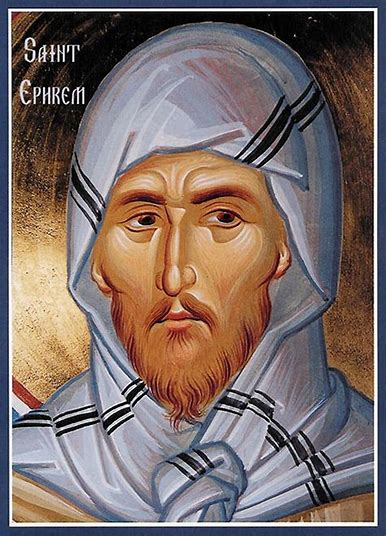 Today, the Church liturgically recalls the life and work of Our Holy Father Ephrem the Syrian.
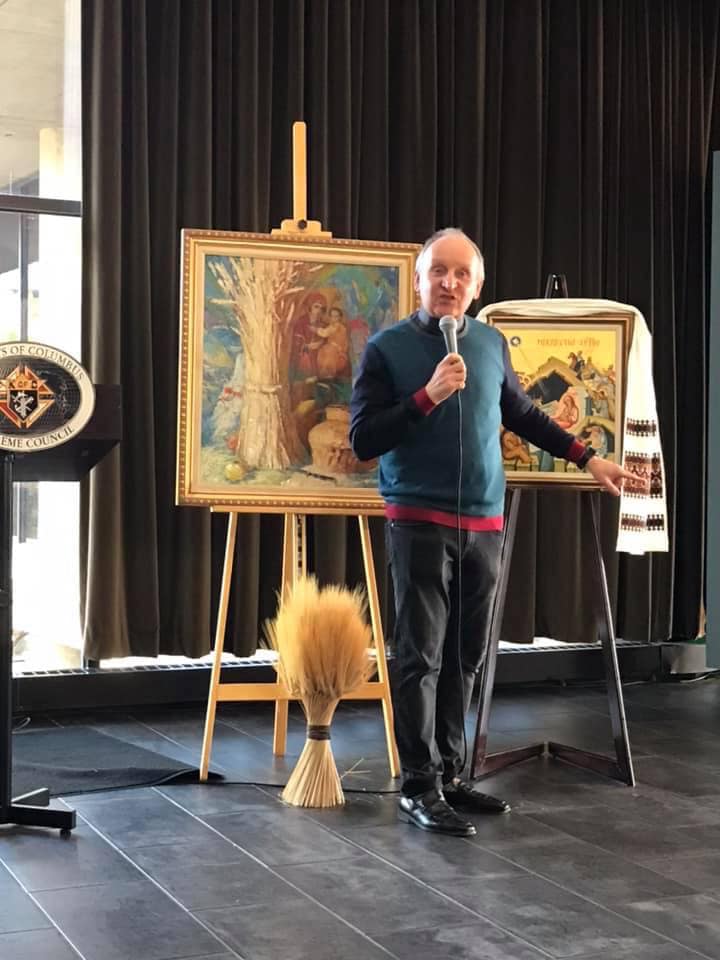 Today, Sunday, at the
 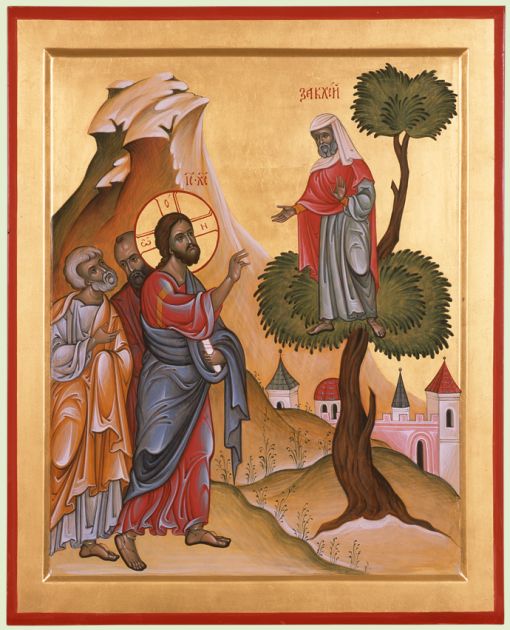 Today is Zacchaeus Sunday! (Lk 19:1-10)
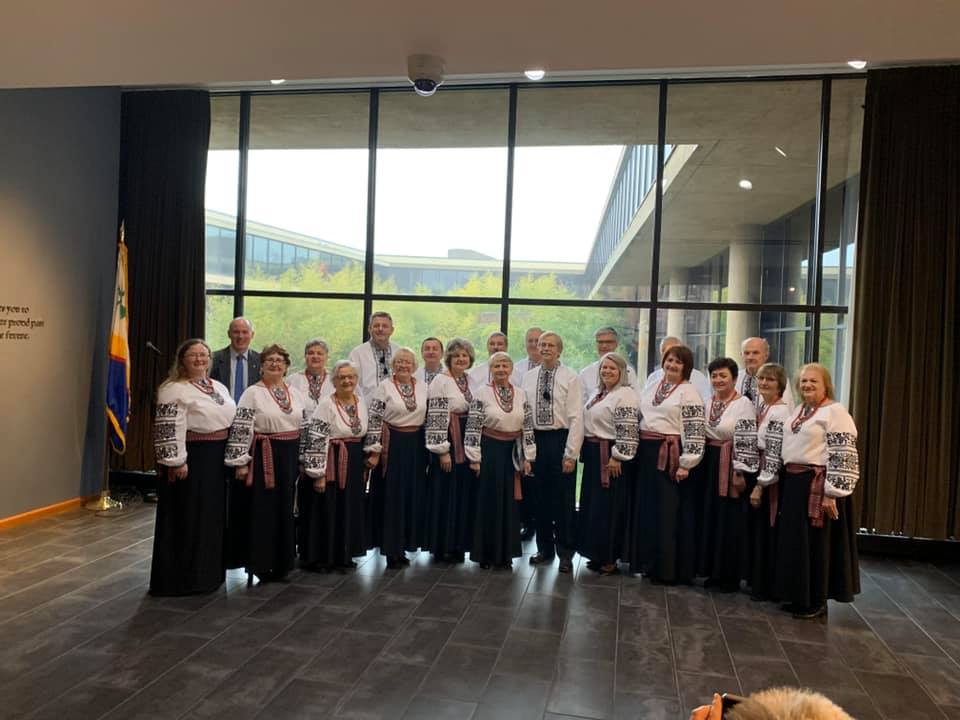 A light on a dreary January Saturday is the very beautiful performance of the
 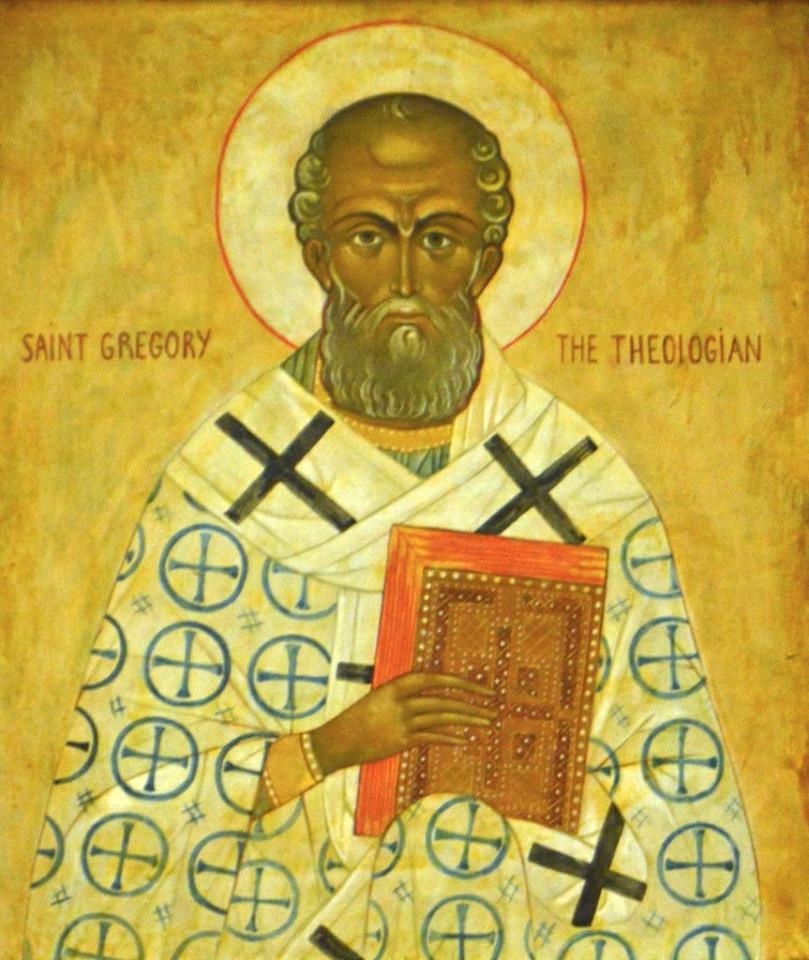 Today the Church liturgically commemorates one the greats: St Gregory the Theologian, Archbishop of Constantinople. The Troparion for this feast reads:
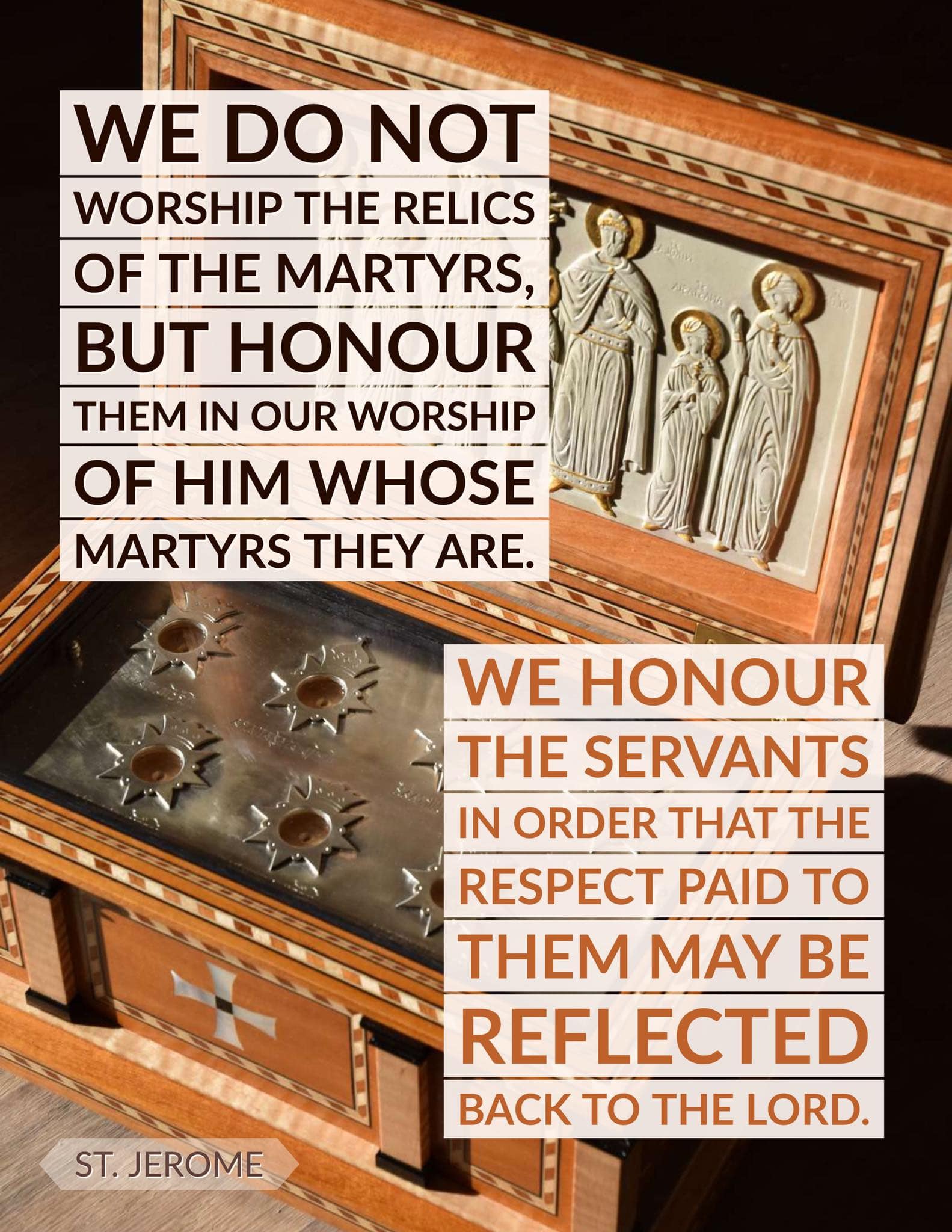 There seems to be significant questions surfacing among Catholics as to what the worship of God entails. It is a rather deep and intricate answer but two paragraphs may begin to reflect upon what the Church gives witness to and what is reasonable. What does the Church teach regarding worship, relics and honor of the saints?
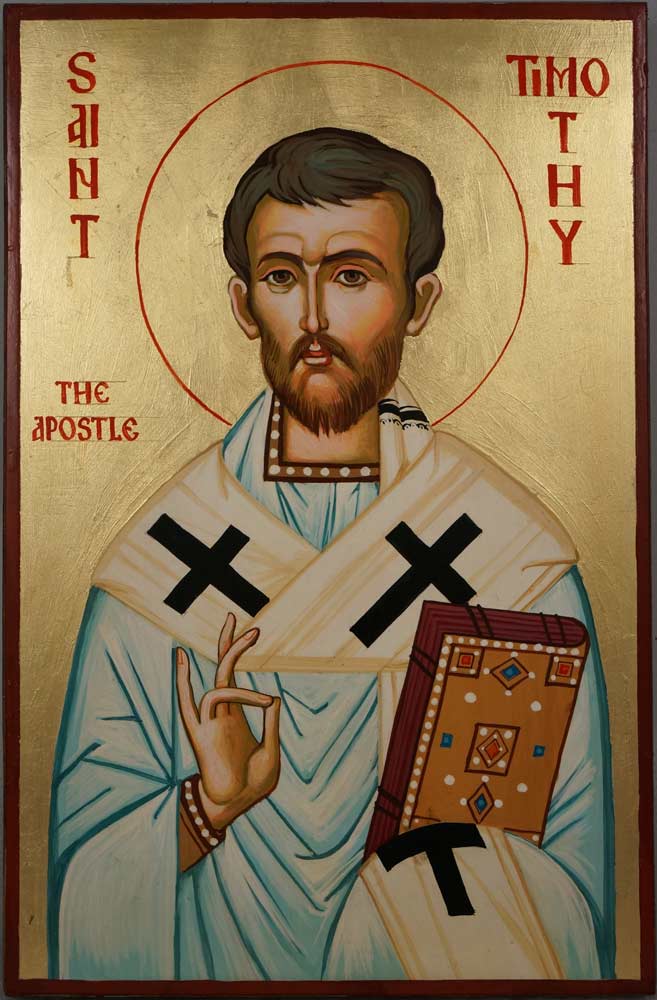 The holy apostle and martyr, Timothy, bishop of Ephesus, is honored by the Church today.