SAINTS AND LADDERS
This coming Sunday, the fourth of Lent, the Eastern Churches will commemorate St John of the Ladder (Climacus)(c579-649) monk and abbot of Mount Sinai and author of “The Ladder of Divine Ascent”, 30 stages rising through attention and humility into love and union with God.
The image of ascent remains perhaps for most of us when the exact words of the saint are forgotten and we may also find inner resonance to these words about Ascent this time of a stairway not obviously what some would expect the way to heaven to be. (see End Notes also if interested)
Mother to Son
By Langston Hughes
Well, son, I’ll tell you:
Life for me ain’t been no crystal stair.
It’s had tacks in it,
And splinters,
And boards torn up,
And places with no carpet on the floor—
Bare.
But all the time
I’se been a-climbin’ on,
And reachin’ landin’s,
And turnin’ corners,
And sometimes goin’ in the dark
Where there ain’t been no light.
So boy, don’t you turn back.
Don’t you set down on the steps
’Cause you finds it’s kinder hard.
Don’t you fall now—
For I’se still goin’, honey,
I’se still climbin’,
And life for me ain’t been no crystal stair.
END NOTES
1.with title we nod to an unrelated board game and
2. the photo is of Hughes with his mother and step father.
3. Jacob’s Ladder seen in a dream as connecting earth and heaven is not simply of ascent but a circulation up and down like the flow of arterial and veinous blood , may this be another and complamentary image of what in fact prayer and the psychospiritual life of a person may be.
— this circulation of heaven and earth is not I think John Climacus’ intention but he is the first to in writing give the Jesus Prayer in its full form and all centering or mantric prayer has the effect of following the circulation of breath and blood and life…
4.”Now I am climbed up and mounted so very high that I dare not look back for fear a giddiness should take me; and I have now but a short length of ladder to the mark to which it is the whole desire, longing, and delight of my heart to reach fully. When I go upward I have no giddiness at all; but when I look back and would return, then am I giddy and afraid to fall.”
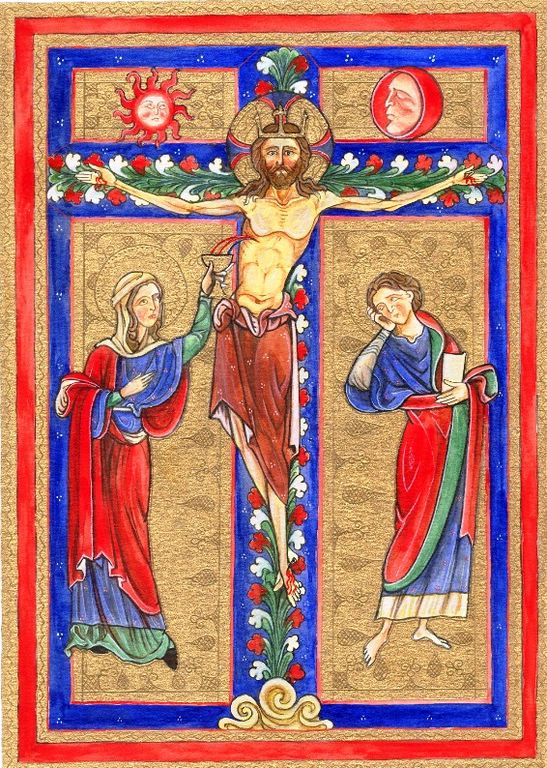 Dear clergy, religious, and faithful!
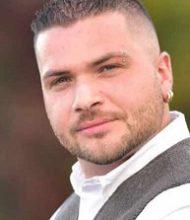 Joshua J. Brezicki, 31, fell asleep in the Lord on Saturday, March 7, 2020, as a result of injuries sustained in a car accident. He was a parishioner of St. Michael’s where he also served at the altar.
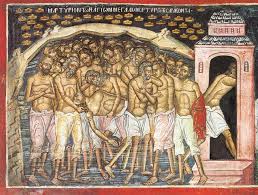 Together let us honor that holy company united by faith, those noble warriors of the Master of all; they were divinely enlisted for Christ and passed through fire and water. The they entered into refreshment and pray for those who cry: Glory Him who has strengthened you; glory to Him who has crowned you; glory to Him who has made you wonderful, O holy Forty Martyrs. (Apolytikion)
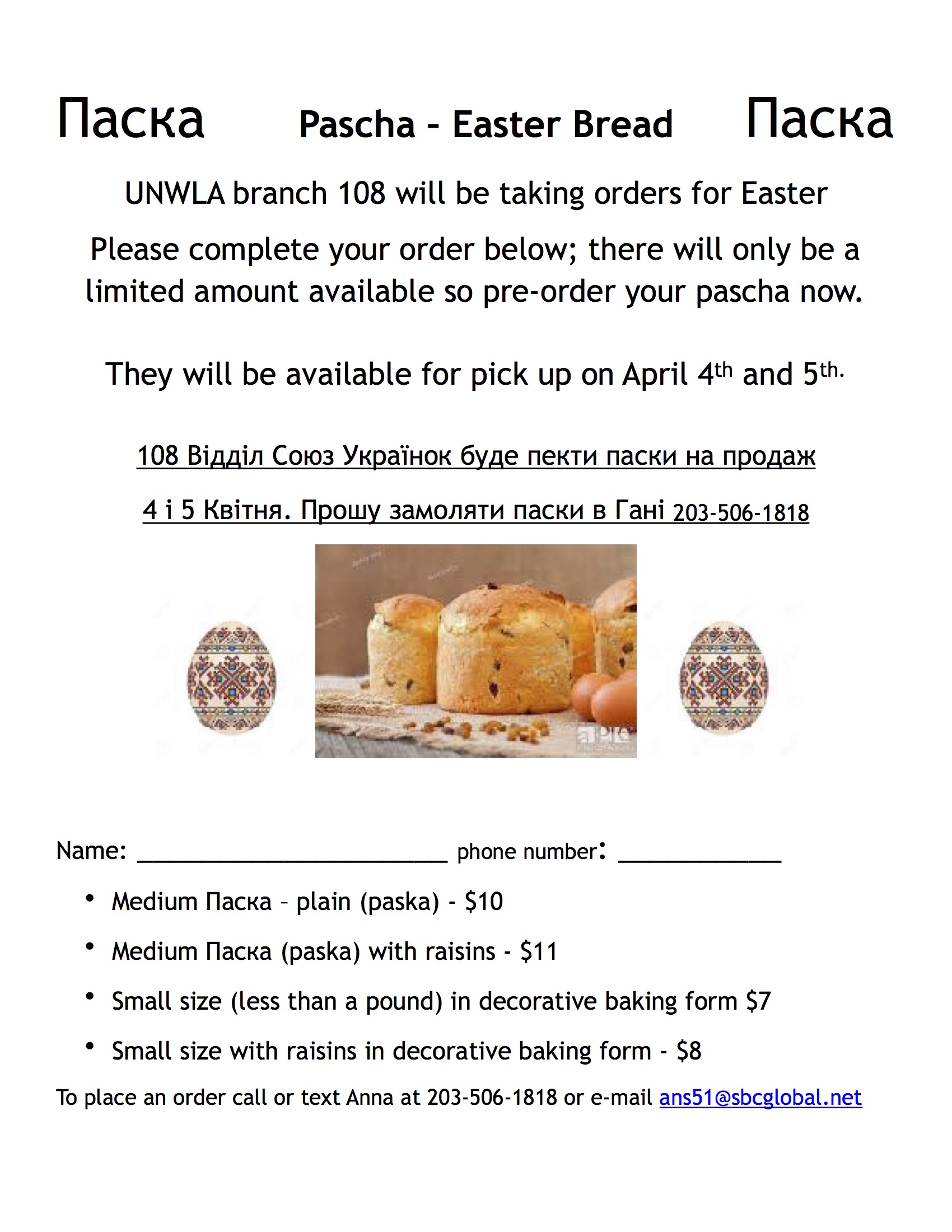 UNWLA branch 108 will be taking orders for Ukrainian Easter bread (pascha). They will be available for pick up on April 4 and 5; there will only be a limited amount available so pre-order your paska now. To place an order call or text Anna at 203-506-1818 or e-mail