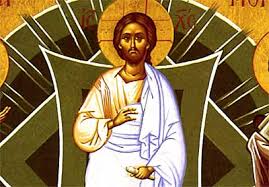
 When we began the Feasts of Light on the second Sunday before Christmas, the first words of Scripture were: “When Christ our life appears, then you will also appear with him in glory. (Colossians 3:4). Today, the last words from Scripture for this feast are: “The people who sat in darkness have seen a great light, and upon those who sat in the region and shadow of death Light has dawned. (Matthew 12:16)” St. Paul in his epistle writes about Jesus descending and ascending: “He who descended is also the One who ascended far above all the heavens, that he might fill all things (Ephesians 4:10)”
Christmas and Theophany, are called feasts of light. They celebrate the coming into the world of Light: Jesus our Lord. Being God, he descended to live among us (his birth, the Gospels of Matthew and Luke) and to take our sins upon his shoulders (baptism, the Gospels of Mark, Matthew and Luke) to lift us into light and glory. It is the feast of beginnings, and a model for our lives, which on this earth are all just beginnings, in which we descend (living life and laying it down in death), and ascend (in love of God and neighbor to divine glory). This feast is our beginning, as we now turn to the fulfillment of Jesus’ glory in his crucifixion and resurrection into life and glory. The Gospel tells us to make a good beginning: “Repent, for the kingdom of heaven is at hand. (Matthew 4:17)”
Meditation by Archpriest David Petras
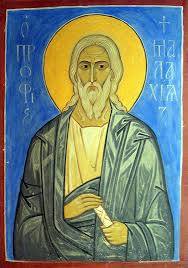 The Byzantine Church keeps the liturgical memorials of the Old Testament prophets, even though the Latin Church has their names on Roman Martyrology, and perhaps on a different day. May the Holy Prophet Malachi intercede for us.
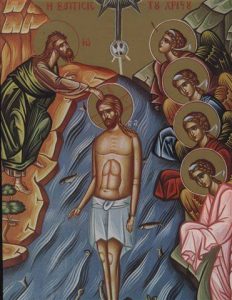 Divine Liturgy for Theophany of Our Lord, Friday, January 6
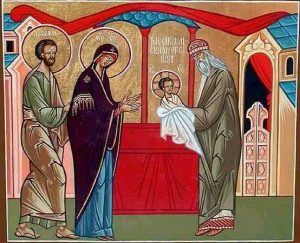 Today, the Byzantine Church keeps two feasts: the Circumcision of the Lord, the 8th day since Christmas (new calendar) and Saint Basil (see the blog post below).
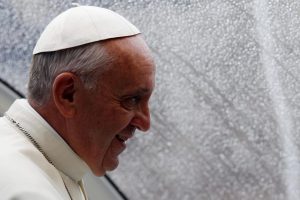 The Pope’s intention for January 2017 is for Christian Unity.
 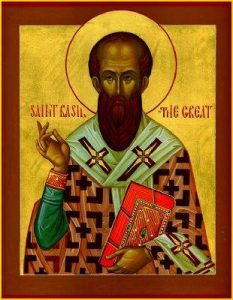 St. Basil fell asleep in the Lord on January 1, 379, and the young age of 49. He is truly called “Great” for in his short life the light of Christ shone through him, revealing how a Christian should live – in faith, for he opposed the Arian heresy, and proclaimed the divinity of our Lord, in hope, for he established monasteries looking toward God in spirit, confessing Christ t
 Divine Liturgy for January 1, 2017
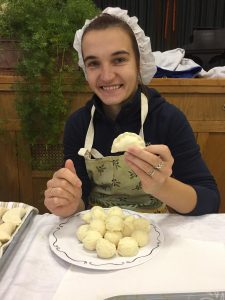 The Schedule for Pierogi Saturday for 2017:
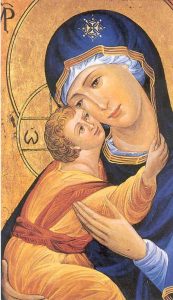
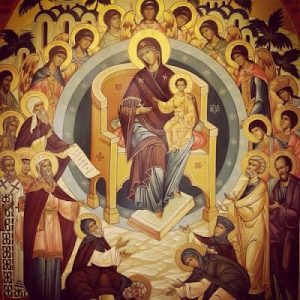 Today, the day after the Christmas feast the Byzantine Church honors Mary, the Mother of God (Theotokos) with a special feast day of remembrance.