 We are at the beginning the season of Great Lent. May I commend to you these titles for your spiritual reading and meditation (listed in no particular order):
Alexander Schmemann, Great Lent
Richard John Neuhaus, Death on a Friday Afternoon: Meditations on the Last Words of Jesus from the Cross
Flannery O’Connor, A Prayer Journal
John Behr, Becoming Human
Brother Lawrence, The Practice of the Presence of God
Jean-Pierre de Caussade, The Sacrament of the Present Moment
Frederica Mathewes-Green, The Illumined Heart
Frank Sheed, Theology for Beginners
Peter Kreeft, Your Questions, God’s Answers
C.S. Lewis, The Screwtape Letters
Pope Benedict XVI, Holy Days: Meditations on the Feasts, Fasts, and Other Solemnities of the Church
Pope Benedict XVI, Jesus of Nazareth: Holy Week: From the Entrance Into Jerusalem To The Resurrection
Which books would you recommend for Lent?
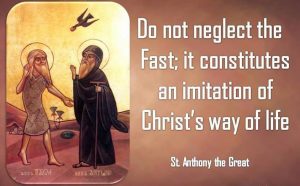 Archpriest David Petras reviews some hallmarks of the liturgical observance and prayer.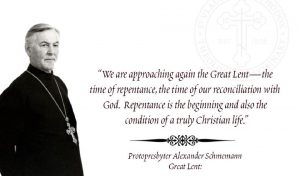
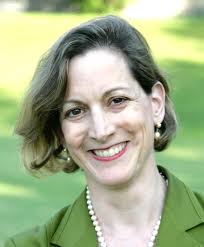 The Polish-Hungarian Friendship Society will be hosting a discussion with Pulitzer Prize-winning author Anne Applebaum on Tuesday, February 13, at Yale University in Linsly-Chittenden Hall 317 at 5:30 p.m. The discussion will be moderated by Laszlo Gendler.
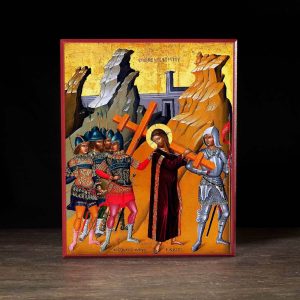 In Cheesefare Week, we read the passion of our Lord according to St. Luke. What strikes me today is how the passion affects the people around Jesus. The women of Jerusalem receive a warning. The corrupt rulers Pilate and Herod make up and become friends. The venerable Joseph of Arimathea, member of the council, who “had not consented to their decision and deed,” courageously asks for the body of Jesus and gives it burial.
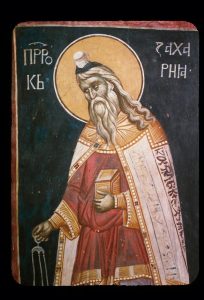 “Thus says the Lord: I have returned to Zion, and I will dwell within Jerusalem; Jerusalem will be called the faithful city, and the mountain of the Lord of hosts, the holy mountain. Thus says the Lord of hosts: Old men and old women will again sit in the streets of Jerusalem, each with staff in hand because of old age (Zechariah 8:1-2).