Glory to Jesus Christ!
Sunday, 3/1/18 Fifth Sunday of Lent —Commemoration of Our Venerable Mother, Mary of Egypt
Parish Mission
9:00 a.m. +Ella Sowa requested by Bohdan Sowa
10:30 a.m. For the people of the parish
Epistle: Hebrews 9:11-14
Gospel: Mark 10:32-45, Tone 8
Monday, 3/19/18 The Holy Martyrs Chrysanthus and Daria
Tuesday, 3/20/18 Our Venerable Fathers Martyred by the Saracens at the Monastery of St. Sabbas
Wednesday, 3/21/18 Our Venerable Father and Confessor James, Bishop of Catania
Thursday, 3/22/18 Fore-feast of the Annunciation (transferred from Saturday, March 24). AND The Holy Priest-Martyr Basil
Friday, 3/23/18 The Holy Venerable-Martyr Nikon and His Disciples, Martyred with Him
7:00 p.m. Liturgy of the Pre-sanctified Gifts
Saturday, 3/24/18 Lazarus Saturday, Our Venerable Father Zachary
9:00 +Ludmila Kuchar (Pan.) requested by Emilia Iwaniw
Sunday, 3/25/18 Palm Sunday – the Lord’s Entrance into Jerusalem —The Annunciation of Our Most Holy Lady, the Mother of God and Ever-Virgin Mary
Parish Mission
8:45 a.m. Lytija and Blessing of Bread
9:00 a.m. For the people of the parish
Blessing of Pussywillows
Anointing at the end of the Divine Liturgy
10:30 a.m. +Maria Godenciuc requested by Father Iura
Epistle: Phil. 4:4-9
Gospel: Mark 12:1-18, Tone 1
 Matins
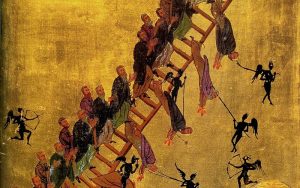 Fourth Sunday of the Great Fast: Commemoration of our Holy Father John of the Ladder