Christ is born!
Sunday, 12/30, Sunday after Christmas —Commemoration of the Holy and Just Joseph, King David; James. Brother of the Lord according to the Flesh
9:00 a.m. +Nicholas Krenta requested by Alicja Krenta
10:30 a.m. For the people of the parish
Epistle: Galatians 1:11-19
Gospel: Matthew 2:13-23, Tone 5
Monday, 12/31, The Leave-taking of the Feast of the Nativity of Christ, Christmas; Our Venerable Mother Melania the Roman
9:00 a.m. +Michael Lipcan (Pan.) requested Barbara and Patrick Bagley
Tuesday, 1/01, The Circumcision of Our Lord, God and Savior Jesus Christ; Our Father Among the Saints Basil the Great, Archbishop of Caesarea in Cappadocia —New Year’s Day 2019!
10:45 a.m. Lytia and blessing of Bread
11:00 a.m. For the people of the parish with the Anointing – Myrovann
Wednesday, 1/02, Fore-feast of Theophany; Our Holy Father Sylvester
9:00 a.m. God’s blessing and health for the Zinych and Musiy Family
Thursday, 1/03, Fore-feast of Theophany; The Holy Prophet Malachi
9:00 a.m. +Vira Walnycky (Pan.) requested by the Family
Friday, 1/04, Fore-feast of Theophany; The Synaxis of the Seventy Holy Apostles
9:00 a.m. God’s blessing and health for Paul Paluha requested by Jaroslaw Paluha
Saturday, 1/05, Theophany Eve. The Holy Martyr Theopemptus and Theonas
9:00 a.m. +Paraskevia Paluha (Pan.) requested by Jaroslaw Paluha
Note: Today is a day of fasting (meat may not be eaten; however, eggs and dairy products are permitted).
Sunday, 1/06, The Holy Theophany of Our Lord, God and Savior Jesus Christ
9:00 a.m. Great Compline
10:00 a.m. For the people of the parish
Great Sanctification of Water with the Anointing – Myrovann
Epistle: Titus 2:11-14 and 3:4-7
Gospel: Matthew 3:13-17, Tone 6
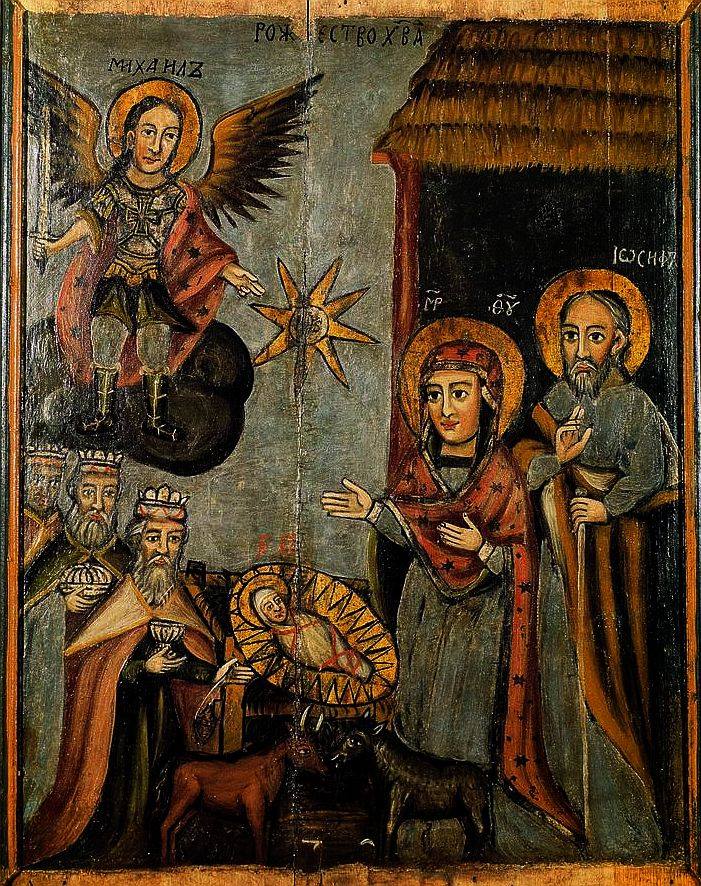 As we think theologically and personally about the meaning of Christmas, these words from a homily on the Gospel of John by Saint John Chrysostom may help us focus on what it means to say we have a Messiah.
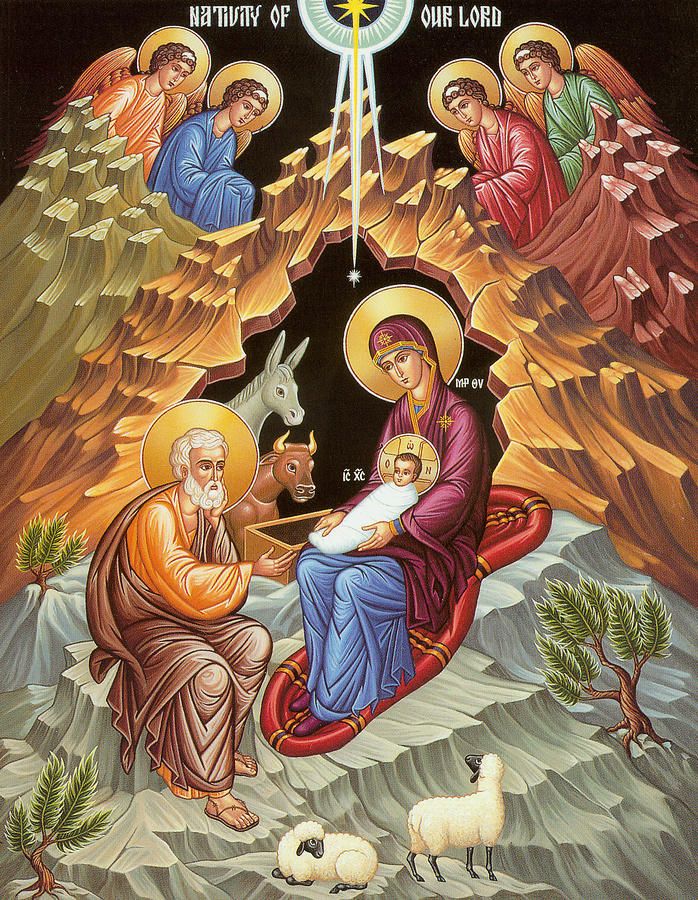
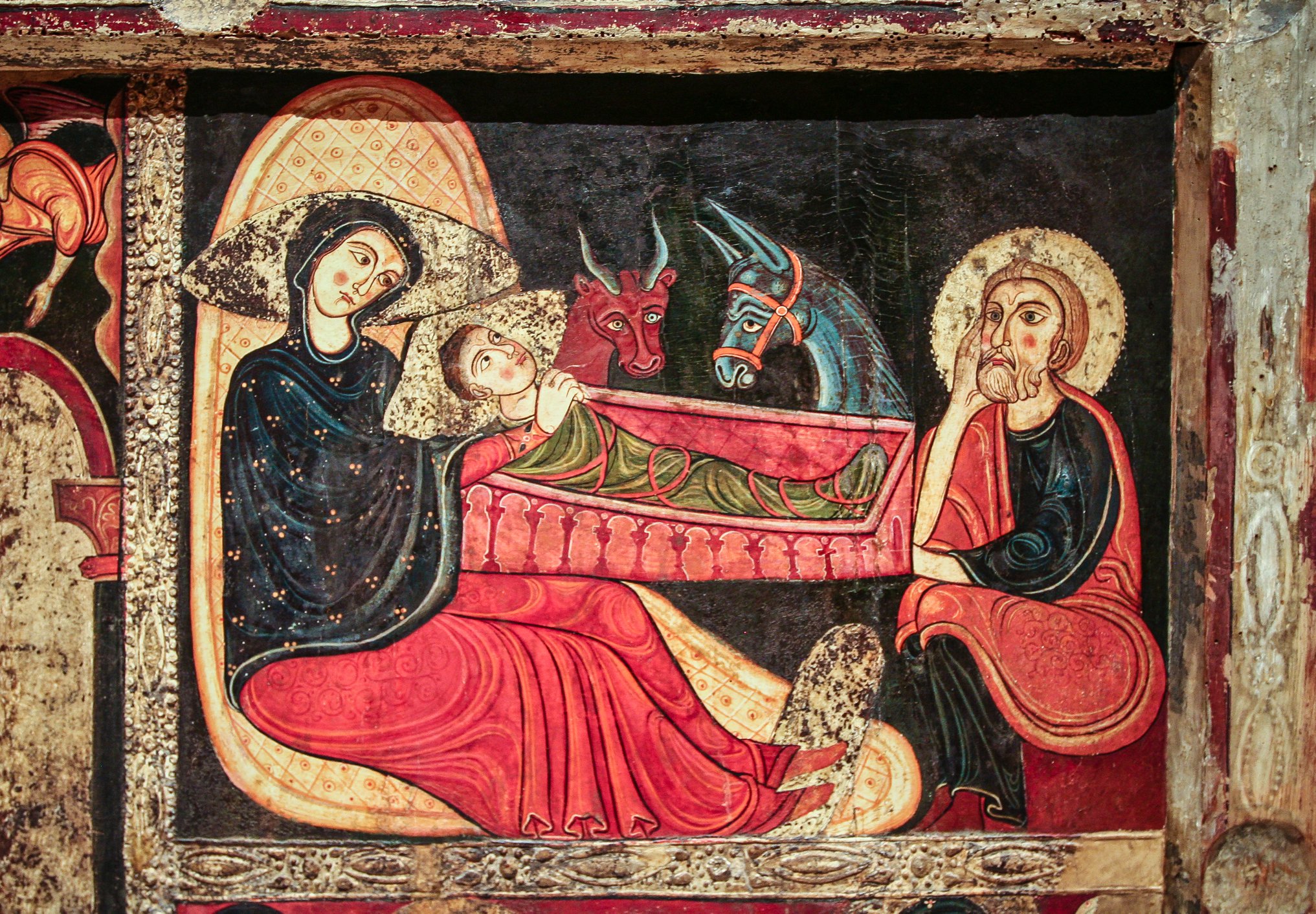 Christmas, December 25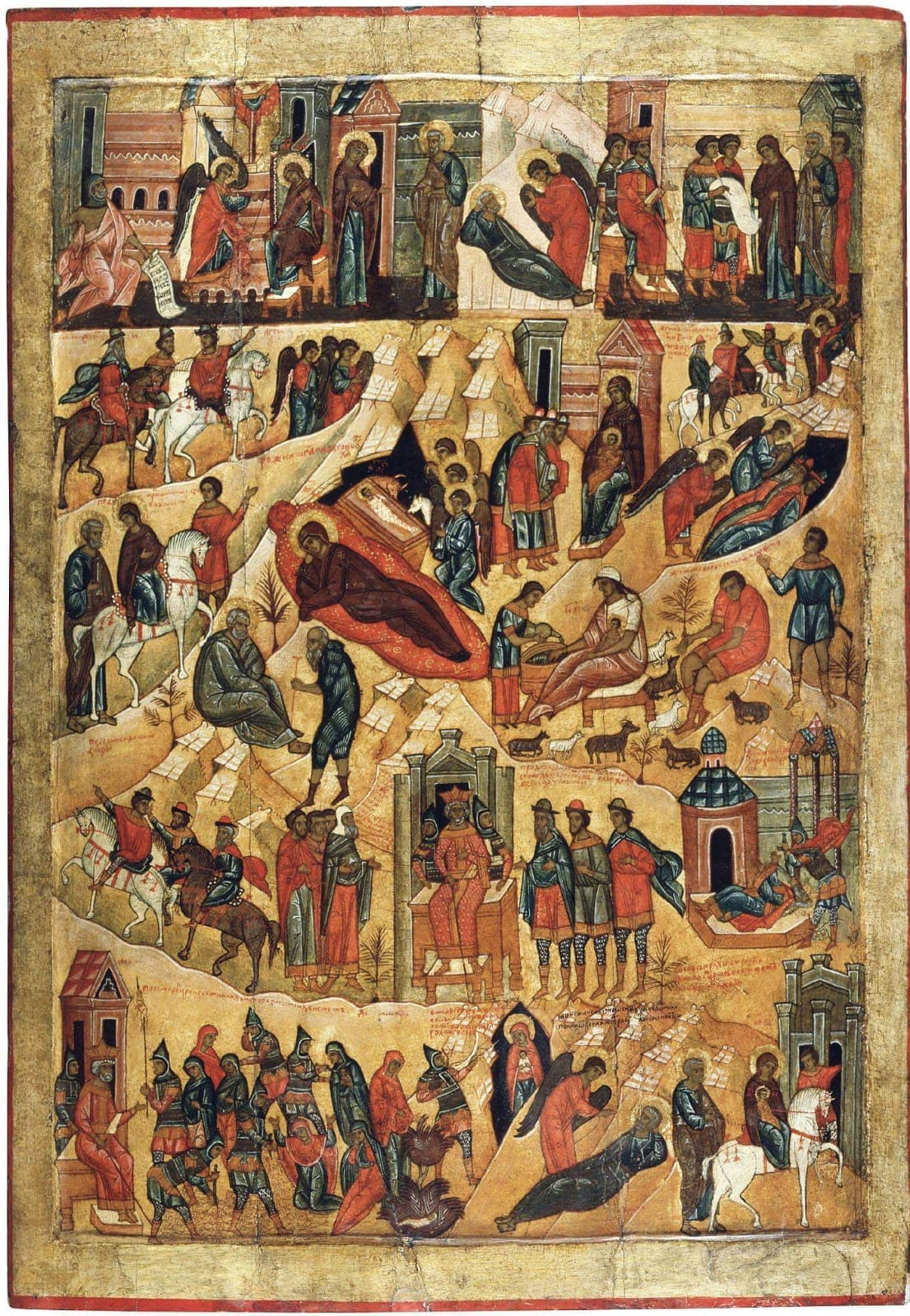
 The blessing of homes following the Theophany and Feast of the Baptism of the Lord (January 6) is a sacred and time-honored tradition of our Ukrainian Christian faith.
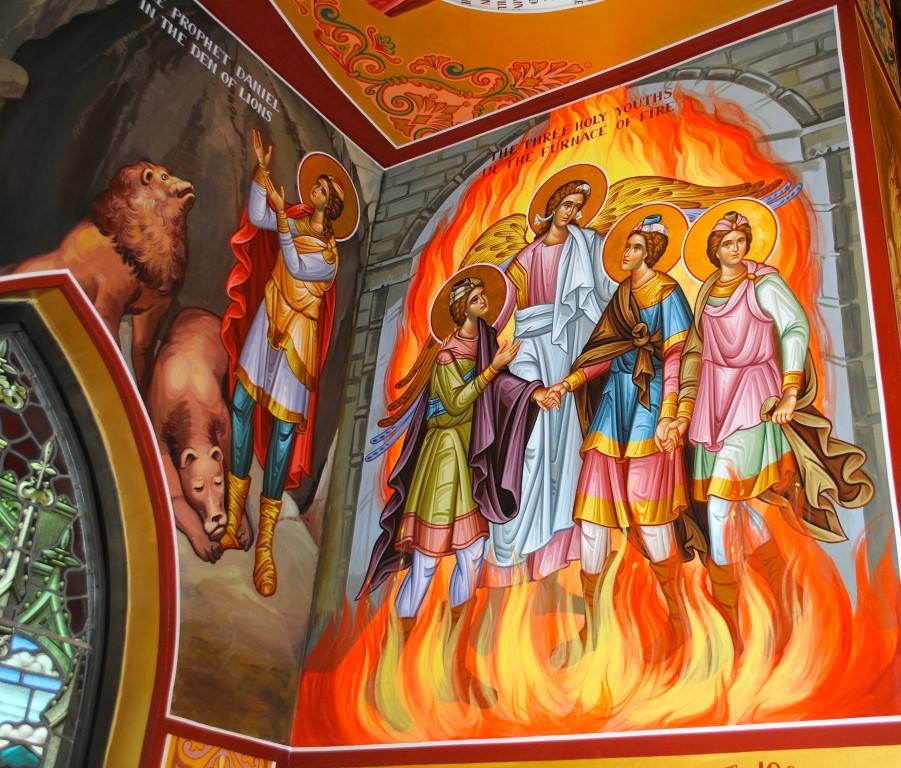 The Byzantine liturgical calendar of the Ukrainian Church has given us today the feast of The Three Holy Children. The feast day commemorates a most fascinating event (experience) of people of faith in the face of evil.