Christ is born!
WELCOME NEW PARISHIONERS! New parishioners are always welcomed in our parish. If someone wants to register with our parish please contact Father Iura Godenciuc at (203) 865-0388 or our financial secretary Natalia Chermak.
PARISH COFFEE HOUR: Dear parishioners and guests, after each Divine Liturgy, coffee and hard rolls are available in the church hall.
VIGIL LIGHT: This week vigil light is offered to God’s greater glory by Luba Kopylec for a special intention.
From the Pastor
With the upcoming Holidays of Christmas, New Year and Epiphany our best wishes to our bishop, His Excellency Bishop Paul Chomnycky our Parishioners, Trustees, Choir Director and members of the church choir, Altar Boys, Knights of Columbus members, Sestretsi members, all Ukrainian and American Organizations in our parish, all benefactors and members of our parish that every day donate their time, work and money for good of our Church. May the new born Jesus Christ Bless our Parish.
Fr. Iura Godenciuc and Family
All donations and contributions must be received by Sunday, December 30, 2018 to be recorded on the annual statement for the year 2018.
If someone would like to buy a frozen pierogies (varenyky) during the week please call the rectory at (203) 865-0388.
PHILIP’S FAST, ПИЛИПІВКА, the period of spiritual preparation for the celebration of the Nativity/Theophany continues until Monday evening. Christmas eve is a day of abstinence (meat may not be eaten).
The annual St. Nicholas pageant will be held on TODAY (12/23) after the 2nd Divine Liturgy. All children are invited to meet with St. Nicholas on this joyous occasion.
Schedule for New Year, Holy Theophany and Christmas (Julian Calendar)
~New Year’s Day, January 1: 11:00 a.m. Divine Liturgy
~Holy Theophany, January 6: 9:00 a.m. Great Compline, 10:00 a.m. Divine Liturgy; 11:15 a.m. Great Sanctification of Water
~Christmas (Julian Calendar), January 7: 9:30 a.m. Great Compline 10:30 a.m. Divine Liturgy
The Ukrainian National Women’s League of America Branch 108 New Haven and St. Michael Parish will be preparing a Prosphora —a traditional Ukrainian Christmas meal— on Sunday, January 20, 2019 after the only one (1) Divine Liturgy at 10:30. Tickets are $20.00 for adults, free for students Ridna Shkola and altar boys. Tickets are on sale in the church hall every Sunday after both Divine Liturgies. Please buy tickets in advance.
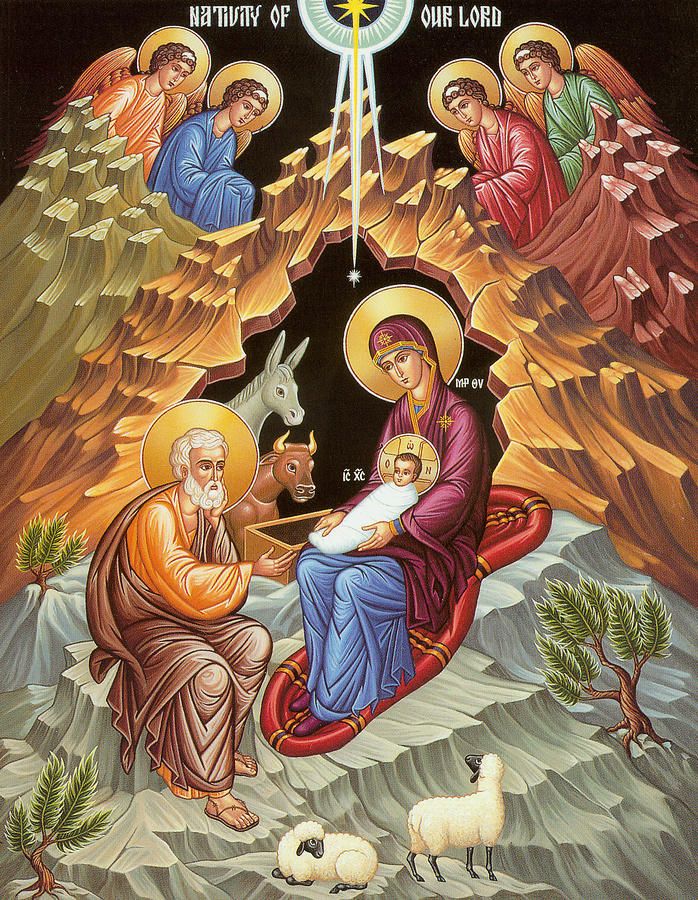 The blessing of homes following the Theophany and Feast of the Baptism of the Lord (January 6) is a sacred and time-honored tradition of our Ukrainian Christian faith.
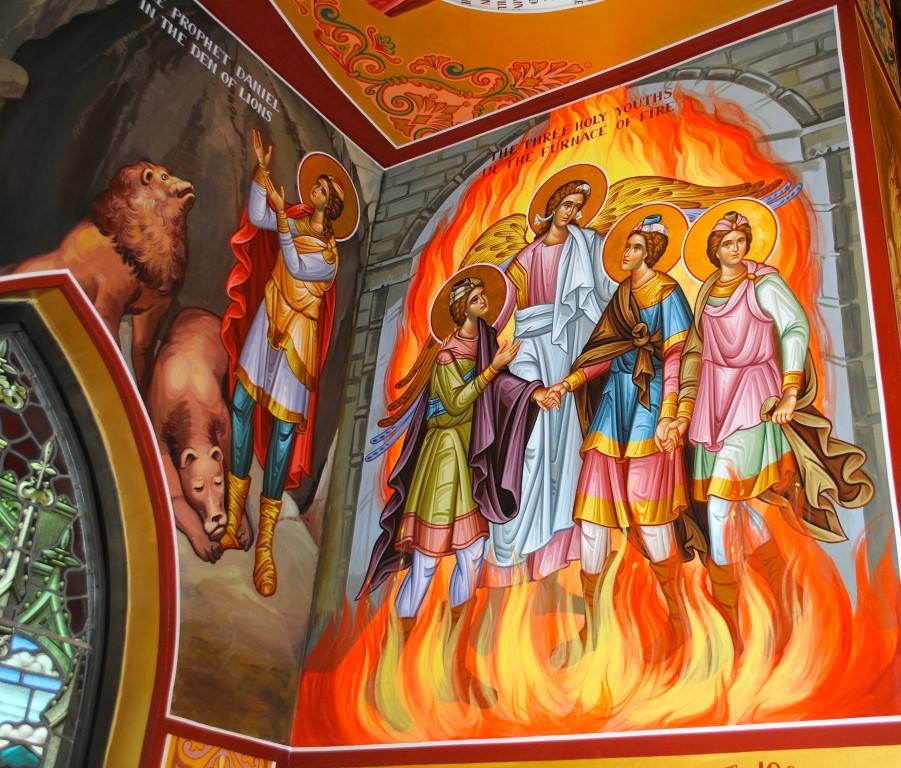 The Byzantine liturgical calendar of the Ukrainian Church has given us today the feast of The Three Holy Children. The feast day commemorates a most fascinating event (experience) of people of faith in the face of evil.
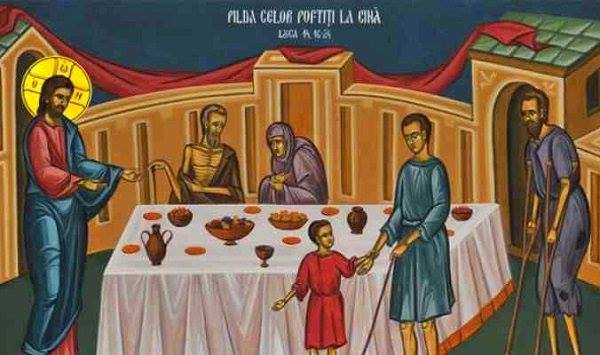 In Colossians 3:4 we read: “When Christ who is our life appears, then you also will appear with him in glory.”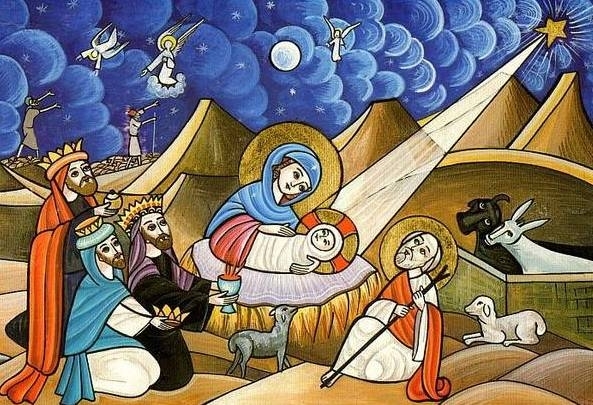
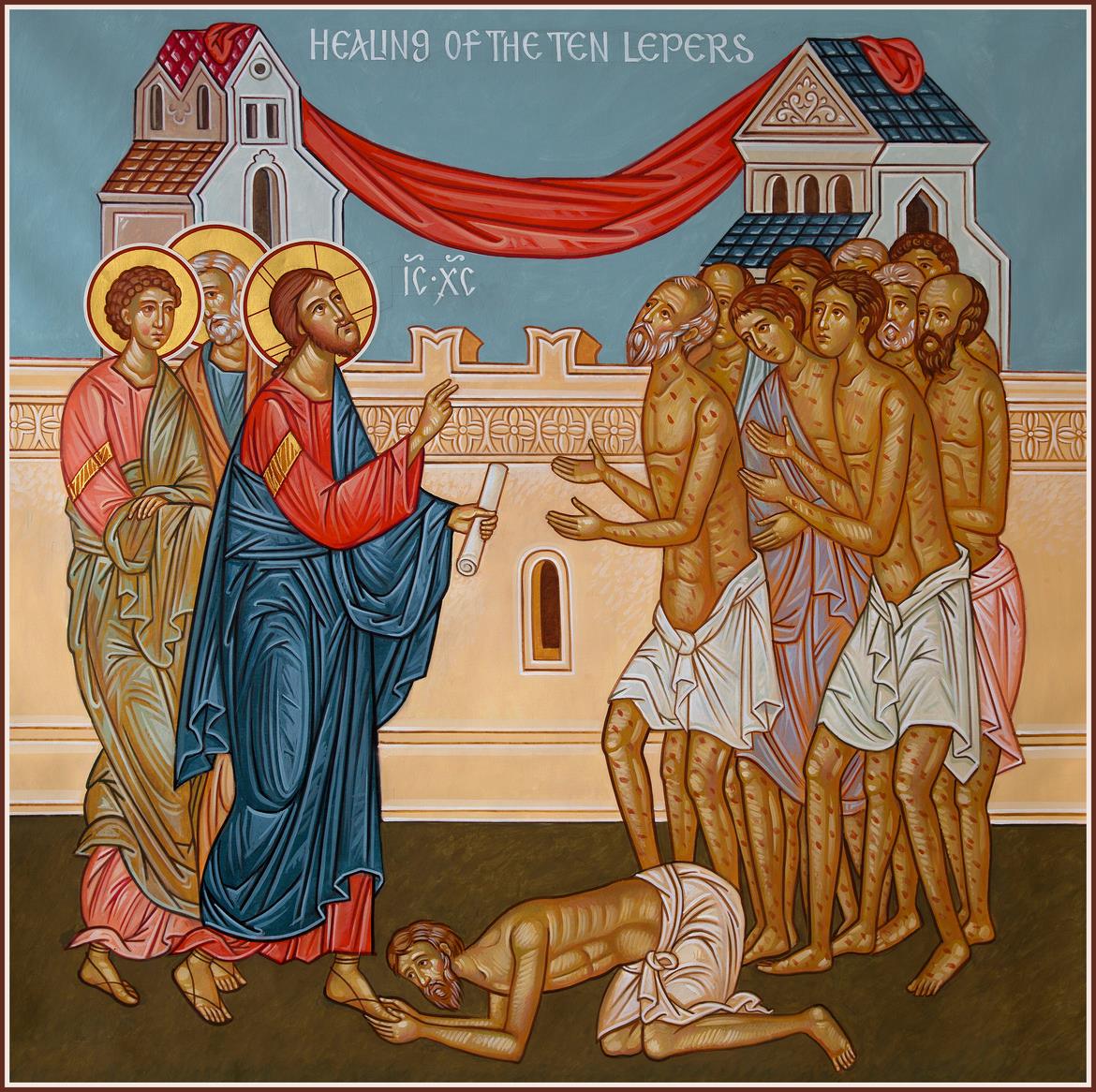 Read: Colossians 3:12-16; Luke 17:12-19