Glory to Jesus Christ
Sunday, 2/24, Meatfare Sunday —First and Second Finding of the Precious Head of the Holy, Glorious Prophet and Forerunner John the Baptist.
9:00 a.m. +Gregory Dubno requested by the Family
10:30 a.m. For the people of the parish
Epistle: 1 Corinthians 8:8-9:2
Gospel: Matthew 25:31-46, Tone 5
Monday, 2/25, Our Patriarch Tarasius
9:00 a.m. A Special Intention
Tuesday, 2/26, Holy Bishop Porphry of Gaza
9:00 a.m. +Myroslaw Trojan (Pan.) requested by Nadia Trojan
Wednesday, 2/27, Our Ven. Confessor Procopius
Thursday, 2/28, Our Venerable Confessor Basil
Friday, 3/01, Our Ven. Martyr Eudokia
Saturday, 3/02, Holy Martyrs Eutropius and Kleonicus
9:00 a.m. +Ivan (3rd Anniv.) Halyna (12th Anniv.) Lobay (Pan.) requested by Maria Lobay
Sunday, 3/03, Cheesefare Sunday
10:30 a.m. For the people of the parish
Epistle: Romans 13:11-14:4
Gospel: Matthew 6:14-21, Tone 6
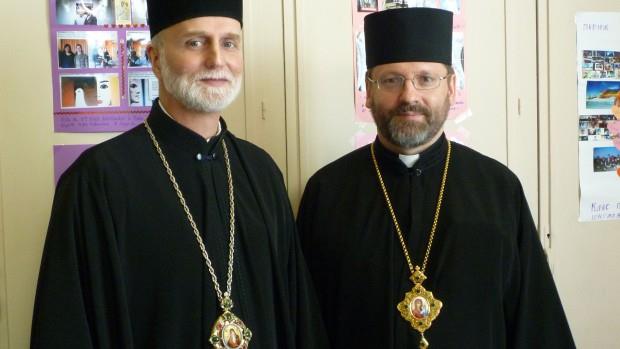 To lead by listening to the Lord and my brothers and sisters
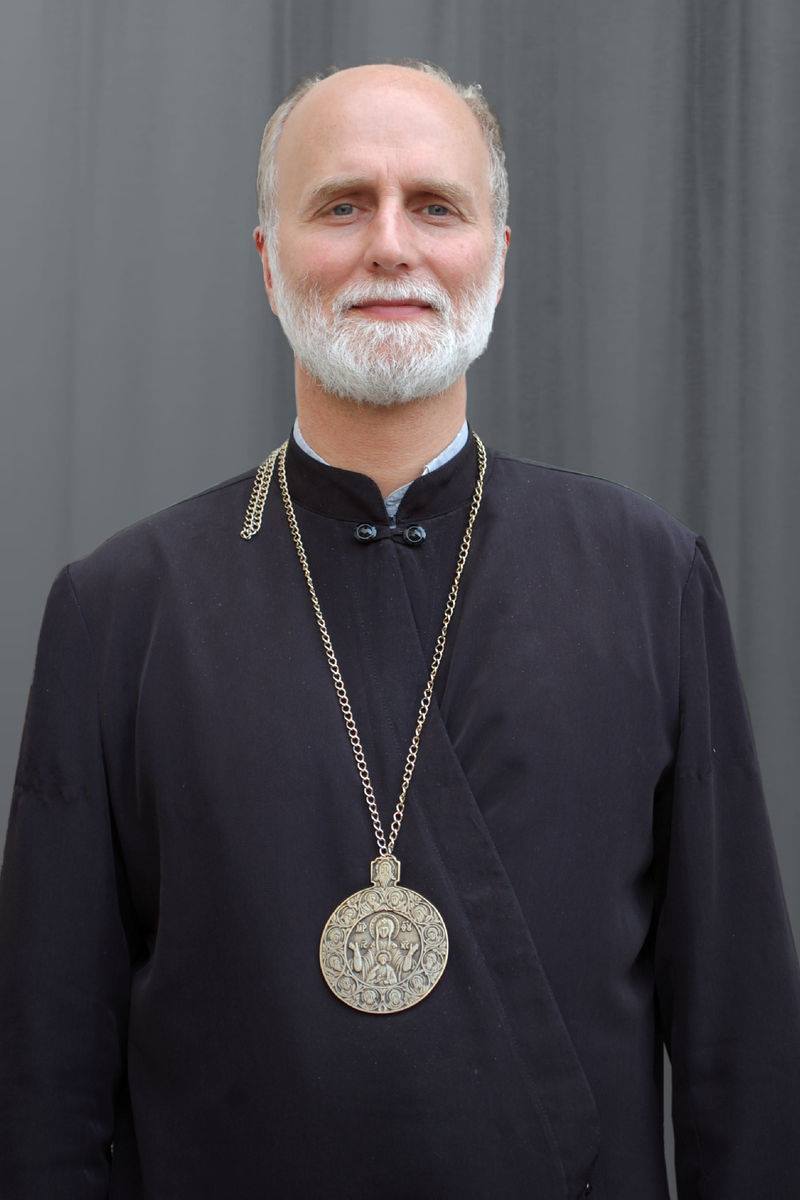 Pope Francis Appoints Most Rev. Borys Gudziak as new Metropolitan-Archbishop of the Ukrainian Archeparchy of Philadelphia
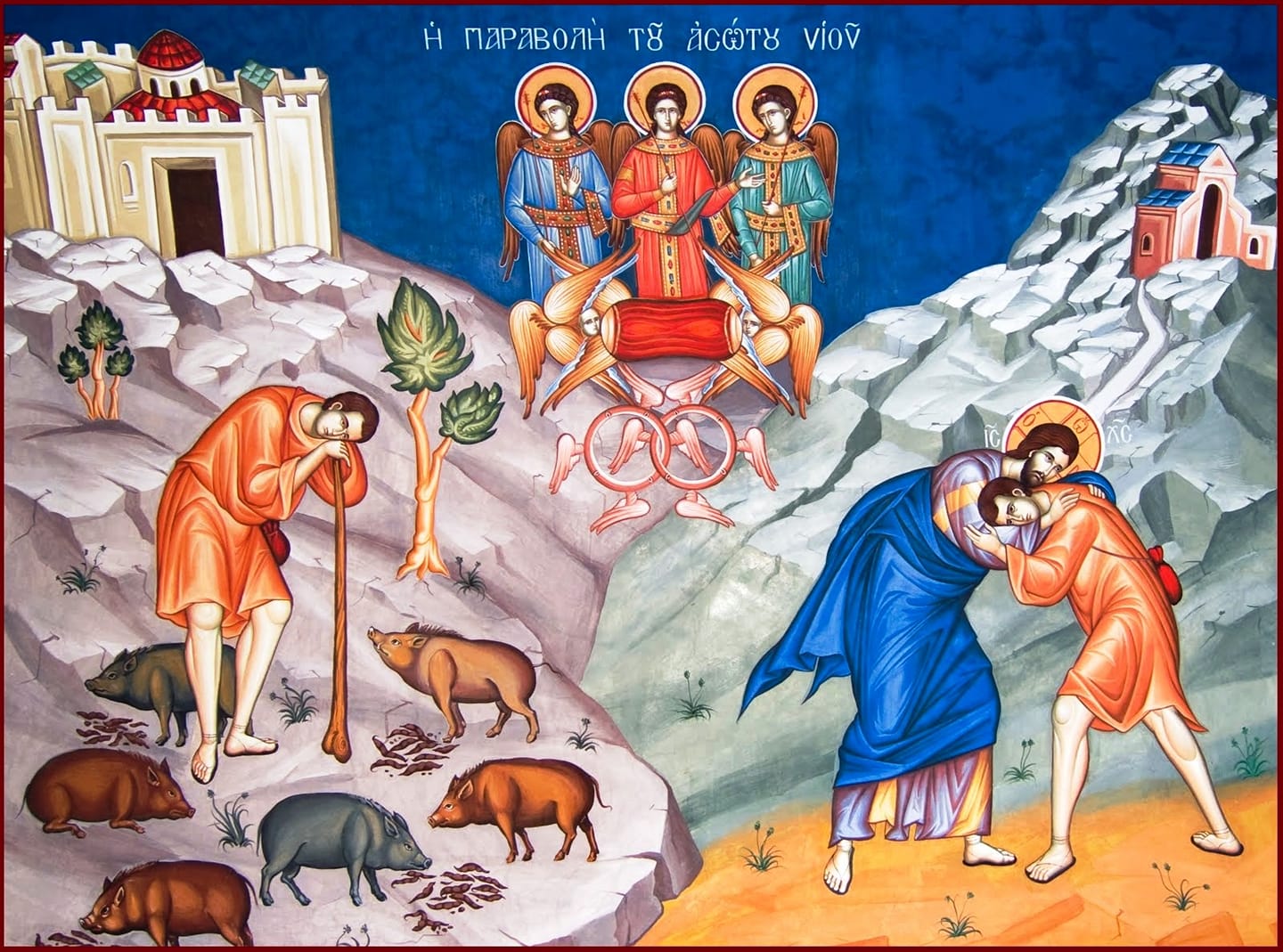 Patristic approach [the Church Fathers] to the imagery in the story of the return of the Prodigal Son, St. Cyril of Alexandria reminds us that Christ delivered this parable ‘immediately after the Pharisees and scribes murmured against Him, saying, “This man receiveth sinners and eateth with them.”’ Seeking to enlighten His detractors, the Lord spoke of a younger, prodigal son, who represented the sinners and publicans, and of an elder, faithful son, who represented the scribes and Pharisees. This, says St. Cyril, is the key to understanding the Prodigal son. …[T]he younger son, like the publican, through humility and repentance washed away his vices, while the elder son, like the Pharisee, through pride and judgmentalism sullied his virtues. (See Hierodeacon [now Hieromonk] Gregory, Orthodox Tradition, XII, 2, p. 74.)
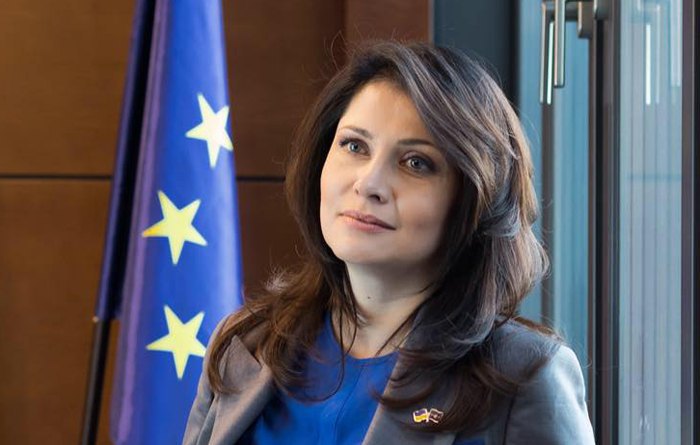 Ukrainian American Veterans Posts 33, 14 of Connecticut and St. Michael’s Ukrainian Catholic Church in New Haven invite everyone to a luncheon/ fundraiser honoring Iryna Friz, Ukraine’s Minister of Veterans Affairs to be held on Sunday, March 3, 2019 in St. Michael’s church hall. Minister Friz will arrive in Connecticut on Saturday, March 2nd to visit the Veterans Hospital in West Haven, the New Haven VETS Center in Orange, and the CT Veterans Home in Rocky Hill. She returns to Ukraine on Monday, March 4th.
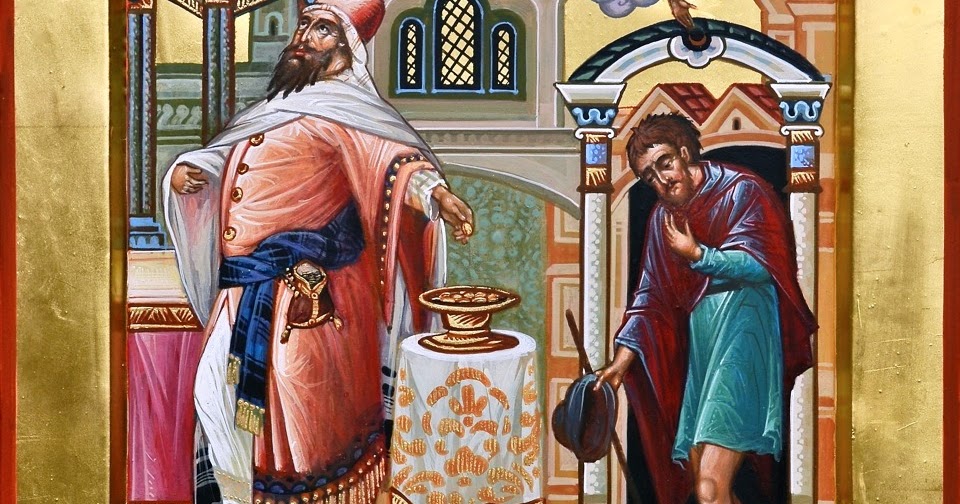 For Byzantine Catholics, Sunday Feb. 10 is the Sunday of the Publican and the Pharisee, which is the first of then “pre-Lenten Sundays.”