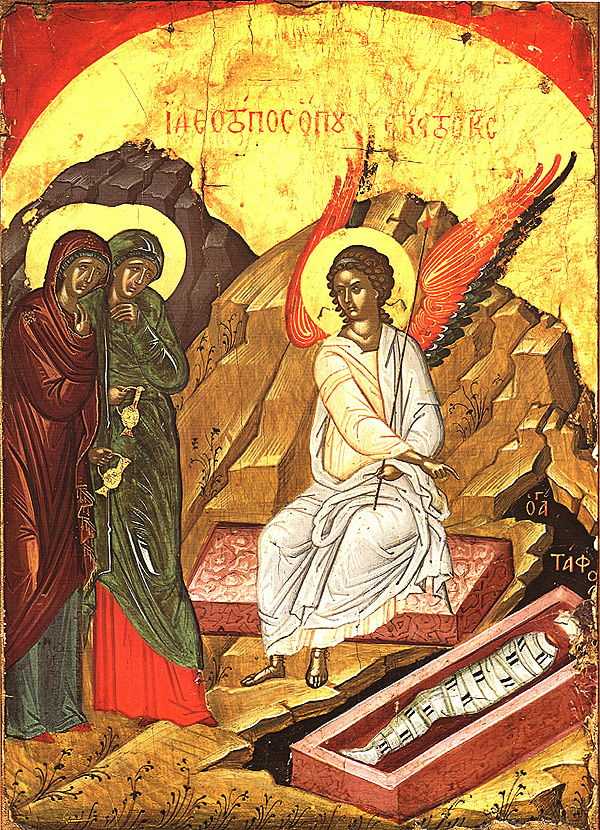
 Great and Holy Saturday is the day on which Christ reposed in the tomb.
The Church calls this day the Blessed Sabbath. The great Moses mystically foreshadowed this day when he said:
God blessed the seventh day.
This is the blessed Sabbath.
This is the day of rest,
on which the only-begotten Son of God rested from all His works . . . .
(Vesperal Liturgy of Holy Saturday)
By using this title the Church links Holy Saturday with the creative act of God. In the initial account of creation as found in the Book of Genesis, God made man in His own image and likeness. To be truly himself, man was to live in constant communion with the source and dynamic power of that image: God. Man fell from God. Now Christ, the Son of God through whom all things were created, has come to restore man to communion with God. He thereby completes creation. All things are again as they should be. His mission is consummated. On the Blessed Sabbath He rests from all His works.
THE TRANSITION
Holy Saturday is a neglected day in parish life. Few people attend the Services. Popular piety usually reduces Holy Week to one day — Holy Friday. This day is quickly replaced by another — Easter Sunday. Christ is dead and then suddenly alive. Great sorrow is suddenly replaced by great joy. In such a scheme Holy Saturday is lost.
In the understanding of the Church, sorrow is not replaced by joy; it is transformed into joy. This distinction indicates that it is precisely within death the Christ continues to effect triumph.
TRAMPLING DOWN DEATH BY DEATH
We sing that Christ is “. . . trampling down death by death” in the troparion of Easter. This phrase gives great meaning to Holy Saturday. Christ’s repose in the tomb is an “active” repose. He comes in search of His fallen friend, Adam, who represents all men. Not finding him on earth, He descends to the realm of death, known as Hades in the Old Testament. There He finds him and brings him life once again. This is the victory: the dead are given life. The tomb is no longer a forsaken, lifeless place. By His death Christ tramples down death.
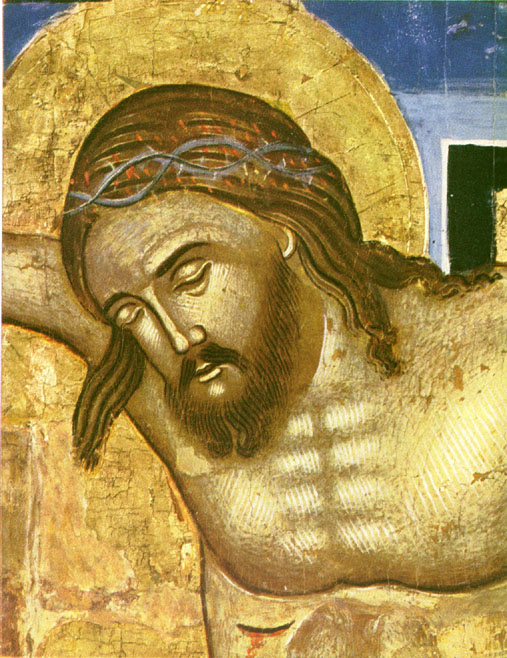 Our faith is a faith of paradox.
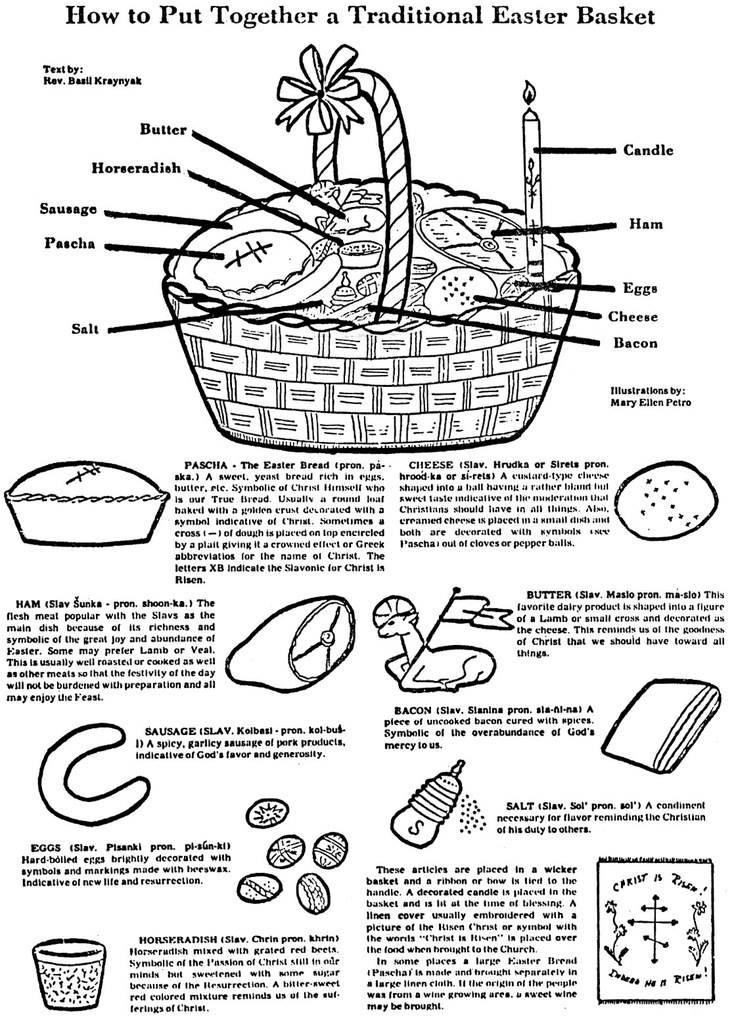 The priestly blessing of Easter foods is a venerable and beautiful tradition of the Kievan Church (not seen often among the Greeks and Melkites). The Polish and other Eastern Europeans bring their Easter foods to church to be blessed.
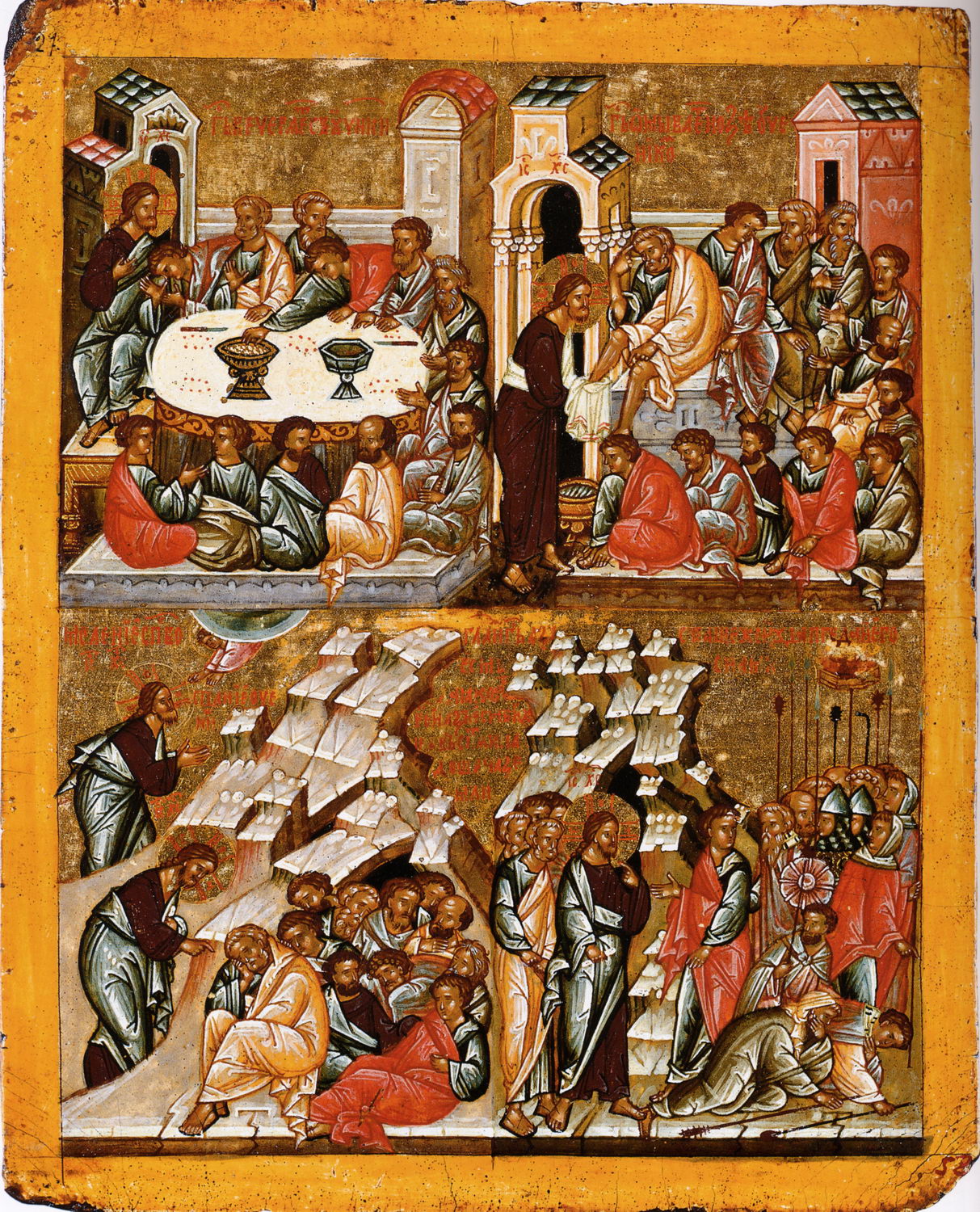 Today we celebrate three mysteries of the church.
 The Matins gospel proclaims that Christ has reached the hour of his glory. His glory is his infinite divine love for the human race, by which he tramples death by death:
 The Troparion at Matins:
 THE VAULT HELD!!! the fire stayed ABOVE it!! Only a small part of the vault collapsed. The interior seems to be relatively untouched.
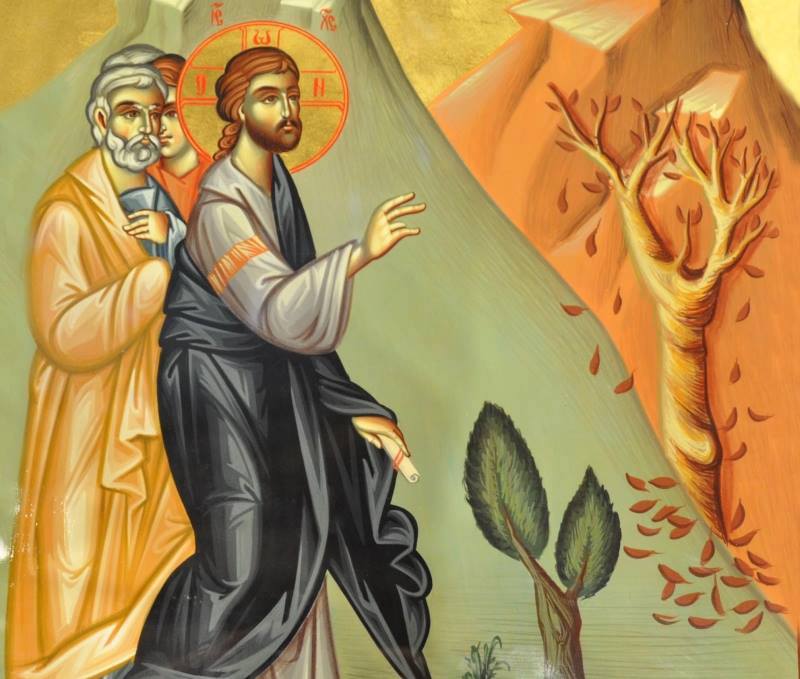 2) the cursing of the fig tree.