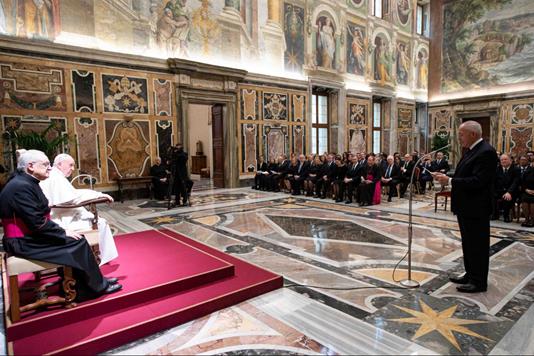
 On February 10, 2020, the Holy Father received in audience the Supreme Knight Carl A. Anderson, his wife and members of the Board of Directors of the Knights of Columbus on the occasion of their annual pilgrimage to Rome, and to celebrate the centenary of the birth of the Foundation.
As you know, our parish is very happy to have a KofC council at our parish named for the Venerable Metropolitan Andrew Sheptytsky. Our council is small but an extraordinary group of men who are serious about the Byzantine Catholic faith, service to the Church, fraternity and works of charity.
The following is the greeting the Pope addressed to those present:
Dear friends,
I offer you a warm welcome on the occasion of your pilgrimage to Rome in this year that marks the centennial of the charitable activity of the Knights of Columbus in this city.
In fact, it was one hundred years ago that my predecessor Pope Benedict XV invited the Knights of Columbus to provide humanitarian aid to young people and others in Rome following the terrible conflict of the First World War. The Knights responded generously, establishing sports centres for youth that quickly became places for education, catechesis and the distribution of food and other essentials so needed at that time. In this way, your Order proved faithful to the vision of your founder, Venerable Michael McGivney, who was inspired by the principles of Christian charity and fraternity to assist those most in need.
Today the Knights of Columbus continue their work of evangelical charity and fraternity in a variety of fields. I think in particular of your faithful witness to the sacredness and dignity of human life, evident at both the local and national levels. This conviction has also led the Knights of Columbus to aid, both materially and spiritually, those Christian communities in the Middle East that are suffering the effects of violence, war and poverty. I thank all the members of your Order for seeing in our persecuted and displaced brothers and sisters of that region neighbours for whom you are a sign of God’s infinite love.
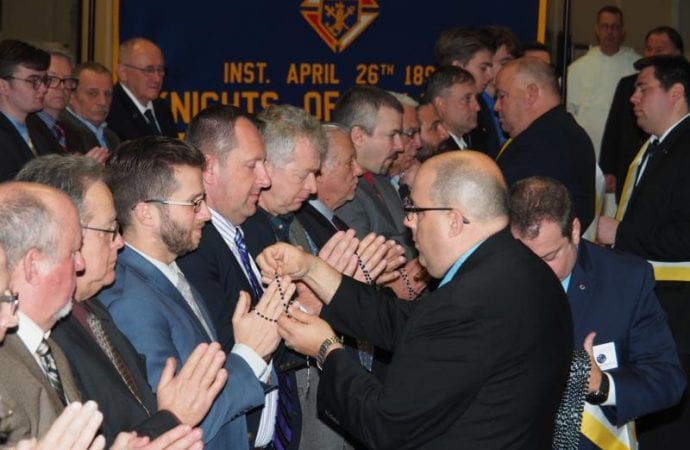 A recent story at CRUX online gives background.
 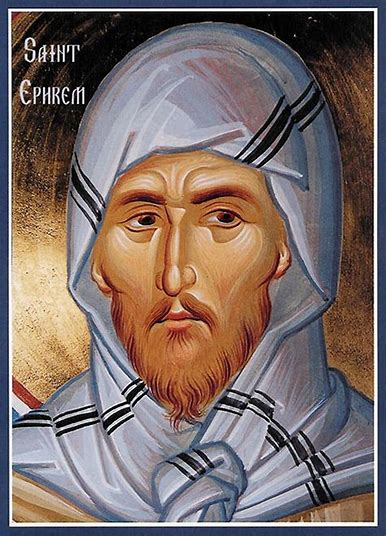 Today, the Church liturgically recalls the life and work of Our Holy Father Ephrem the Syrian.
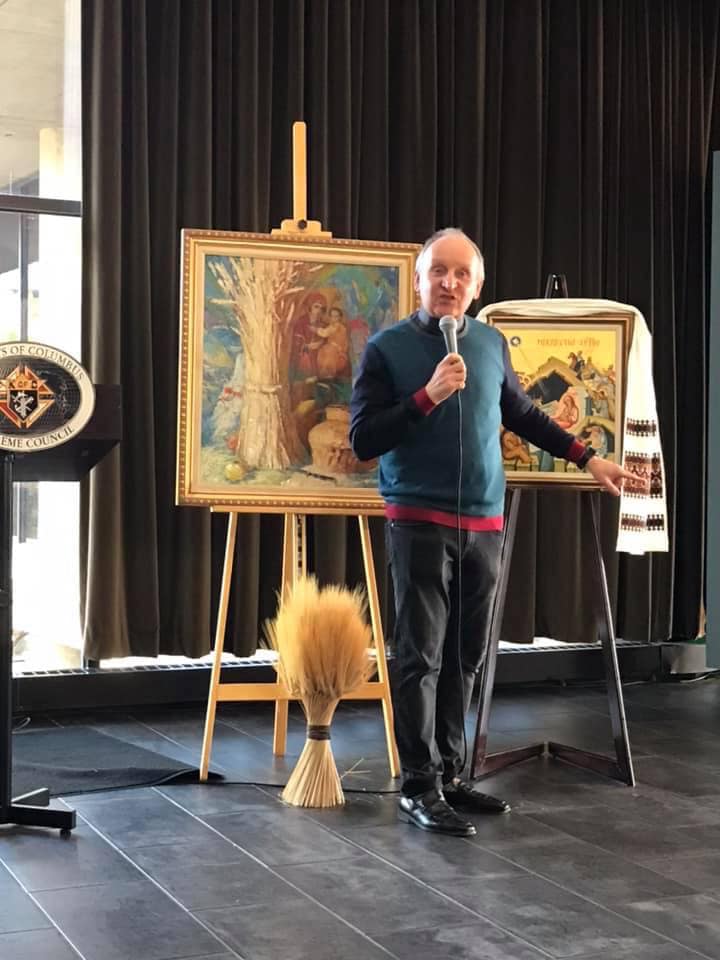 Today, Sunday, at the
 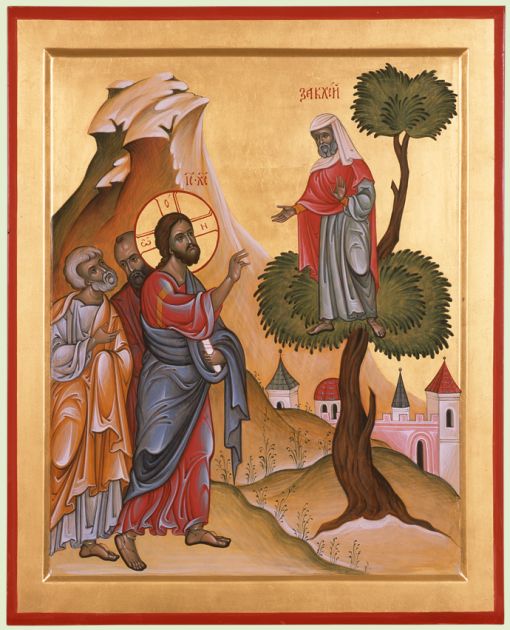 Today is Zacchaeus Sunday! (Lk 19:1-10)
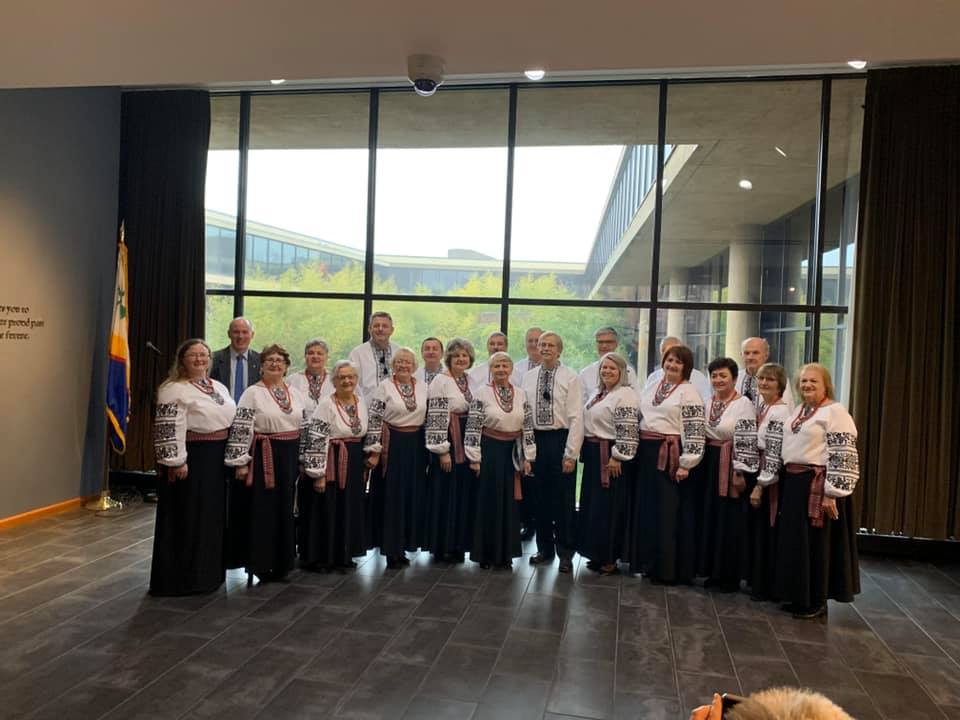 A light on a dreary January Saturday is the very beautiful performance of the
 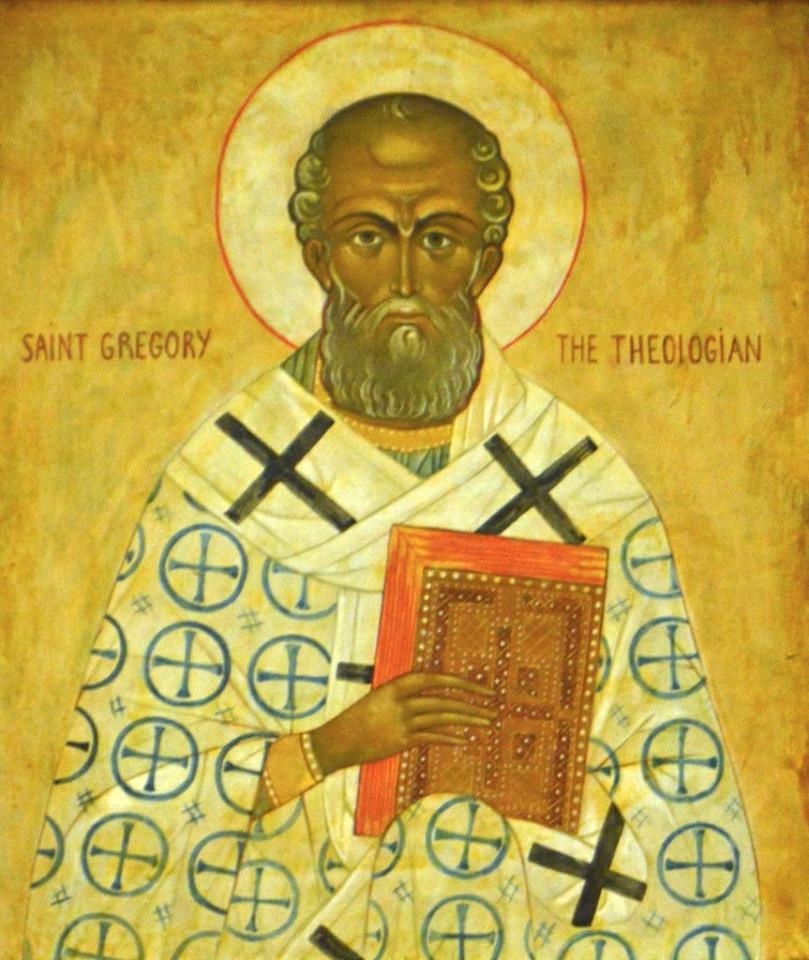 Today the Church liturgically commemorates one the greats: St Gregory the Theologian, Archbishop of Constantinople. The Troparion for this feast reads: